Introduction
Renovating a premium villa is a process that goes beyond aesthetics; it involves a significant investment that can increase your property’s value. Before embarking on this exciting journey, it is vital to consider several factors that will ensure the renovation not only meets your aesthetic needs, but also improves the functionality and value of your home. In this article, we explore what you should consider before renovating your premium villa on the Costa del Sol.
Key aspects to consider

Planning is essential for any renovation, especially for luxury villas. Below are some key factors you should consider:
1. Define the objective of the renovation
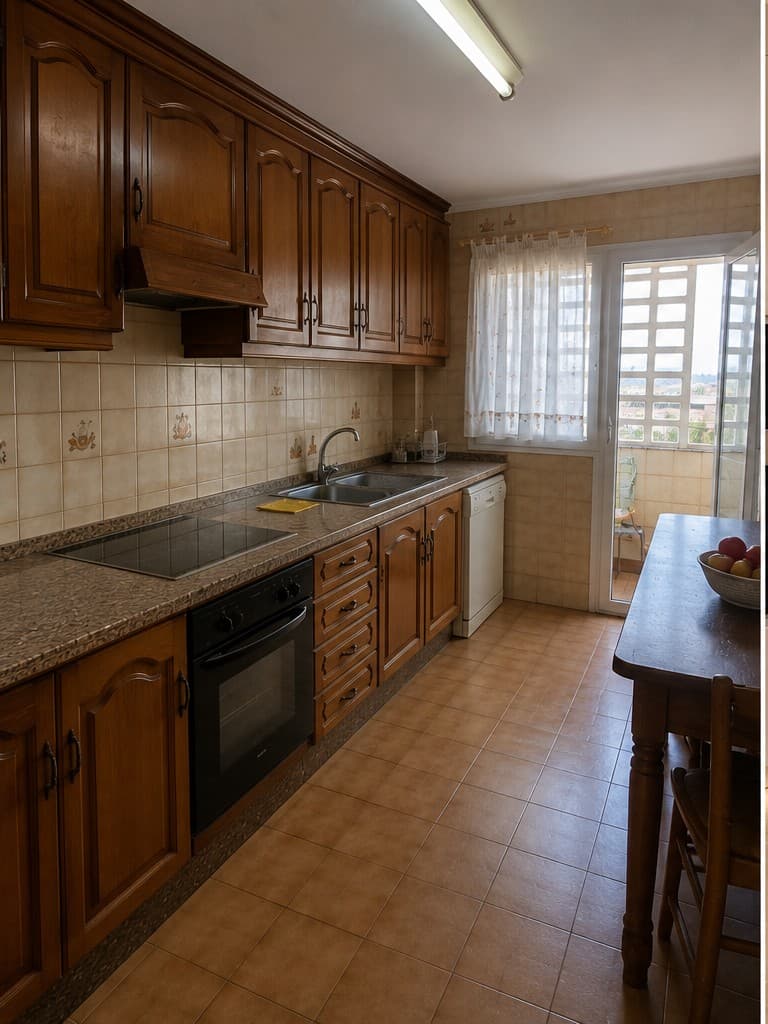
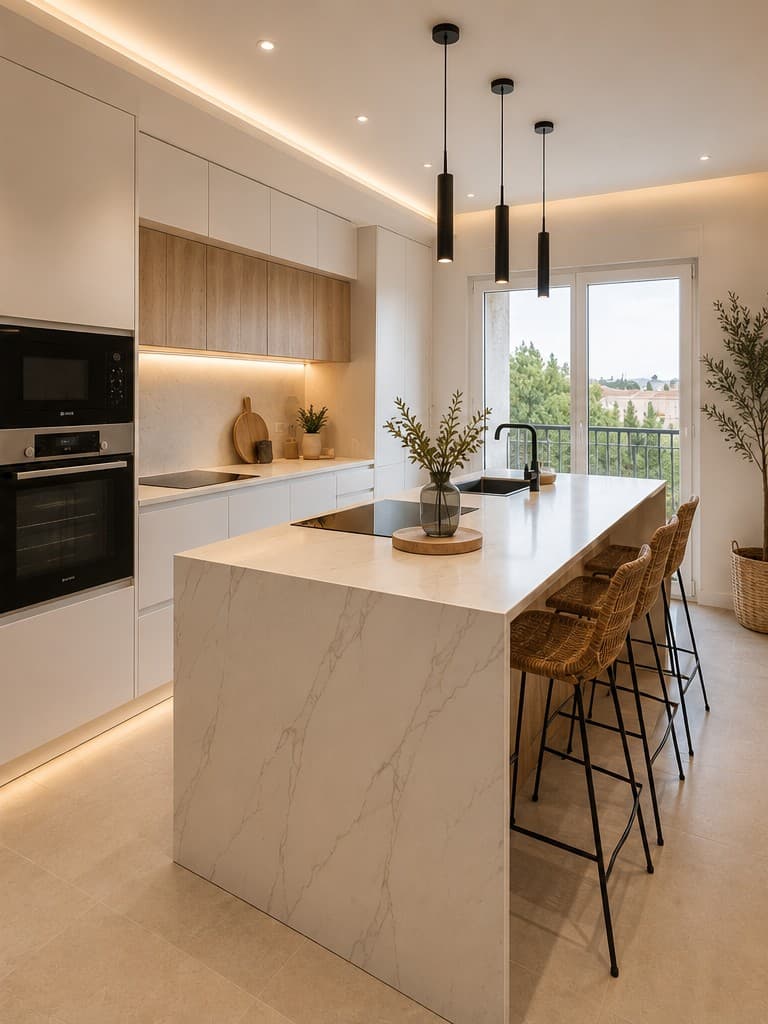
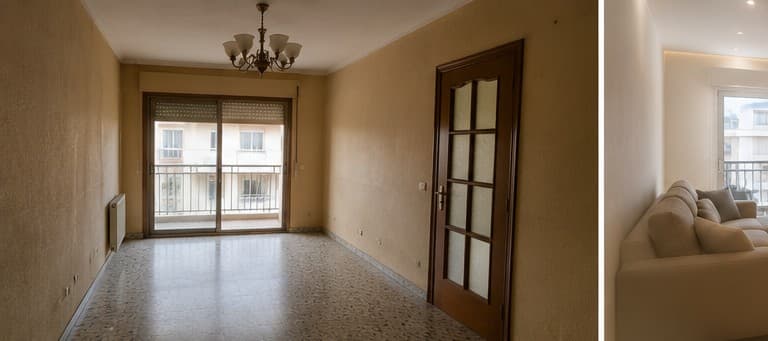
Before you begin, it is essential to define what you want to achieve with the renovation. Are you looking to modernise your villa, improve energy efficiency, or simply change the layout of the spaces? Defining your objective will help guide all subsequent decisions. For example, if your goal is to increase living space, you might consider opening the kitchen to the living room to create a more fluid, contemporary environment. This change can increase the sense of spaciousness and natural light—factors that are highly valued in today’s property market. According to a study by the Spanish Valuation Association, renovations that optimise the layout can increase a property’s value by 10% to 15% in competitive markets.
2. Budget and financing
Setting a realistic budget is crucial. Consider not only the renovation costs, but also potential contingencies. A good rule of thumb is to allocate an additional 10–15% of the total budget to cover unexpected expenses that may arise. In addition, assess different financing options that may suit your financial situation, such as personal loans, renovation mortgages, or even grants to improve energy efficiency. According to a study by the Spanish Builders’ Association, 70% of homeowners who renovated did not adequately consider the impact of unforeseen costs on their budget. In the case of premium villas, it is advisable to keep a reserve of at least 20% of the initial budget to ensure adjustments can be made without compromising build quality.
3. Choosing materials and finishes
The materials you choose for your renovation will affect both the aesthetics and the durability of your villa. Opting for high-quality materials such as Silestone or Dekton will not only enhance the design, but also ensure the longevity of the work. For example, Silestone is a quartz-based surface that offers superior resistance to stains and scratches, making it ideal for high-use kitchens. Also consider finishes that are sustainable and easy to maintain; using eco-friendly paints and wood treated with natural oils can reduce the environmental impact of your renovation and improve indoor air quality. According to a study by the Institute of Construction Sciences, properly treated wood can last more than 50 years, while low-quality finishes require replacement every 10–15 years.
4. Regulations and permits
Before starting any work, ensure you comply with local regulations and obtain all necessary permits. A lack of permits can result in penalties and project delays. For example, on the Costa del Sol, building regulations can vary significantly between municipalities, so it is essential to consult an architect or local expert. For more information on regulations, consult the Spanish Building Technical Code, which sets out the basic quality and safety standards in construction. Also bear in mind that in protected areas or areas of cultural interest, regulations may be stricter, which could limit your design and material options.
The renovation process
A full renovation can seem overwhelming, but with proper planning and expert support, it can be a smooth process. Here is how the process is carried out:
1. Initial consultation
Begin the process with a consultation with professionals specialising in luxury renovations. They will help you define the scope of the project, as well as select the right style and materials. During this phase, it is important to discuss your expectations and specific requirements. For example, if you aspire to a modern style, consultants may suggest clean lines and a neutral colour palette, while if you prefer a more traditional style, they may recommend wood finishes and ornamental details. It is advisable to request references and examples of previous work to ensure the professional’s style aligns with your vision. In addition, consider preparing a document detailing your expectations and requirements, which can facilitate communication with the experts and avoid misunderstandings throughout the process.
2. Design and planning
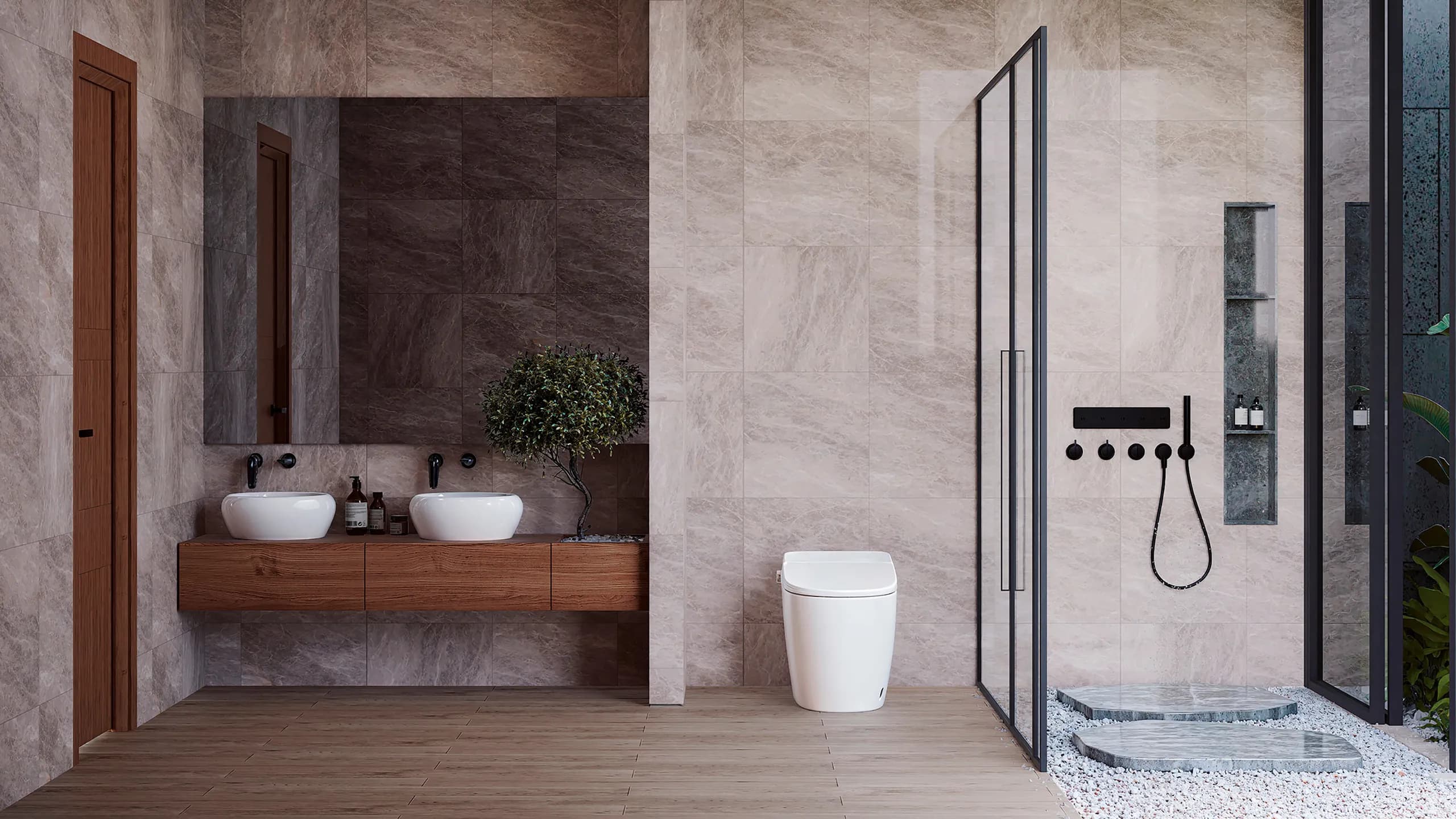
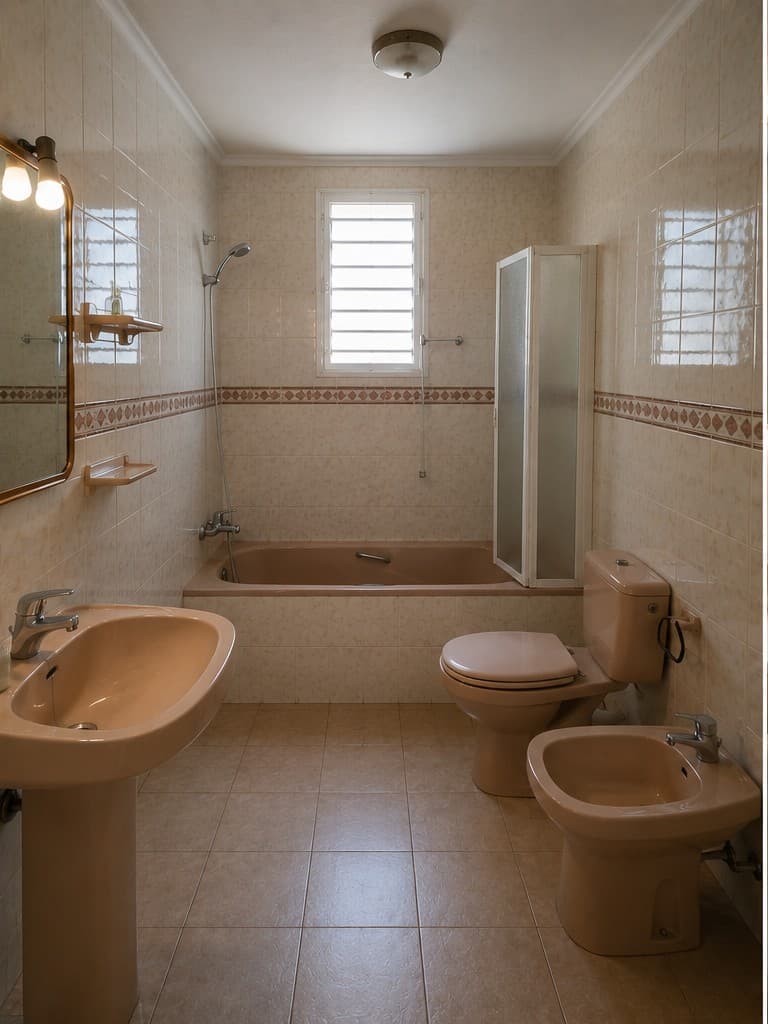
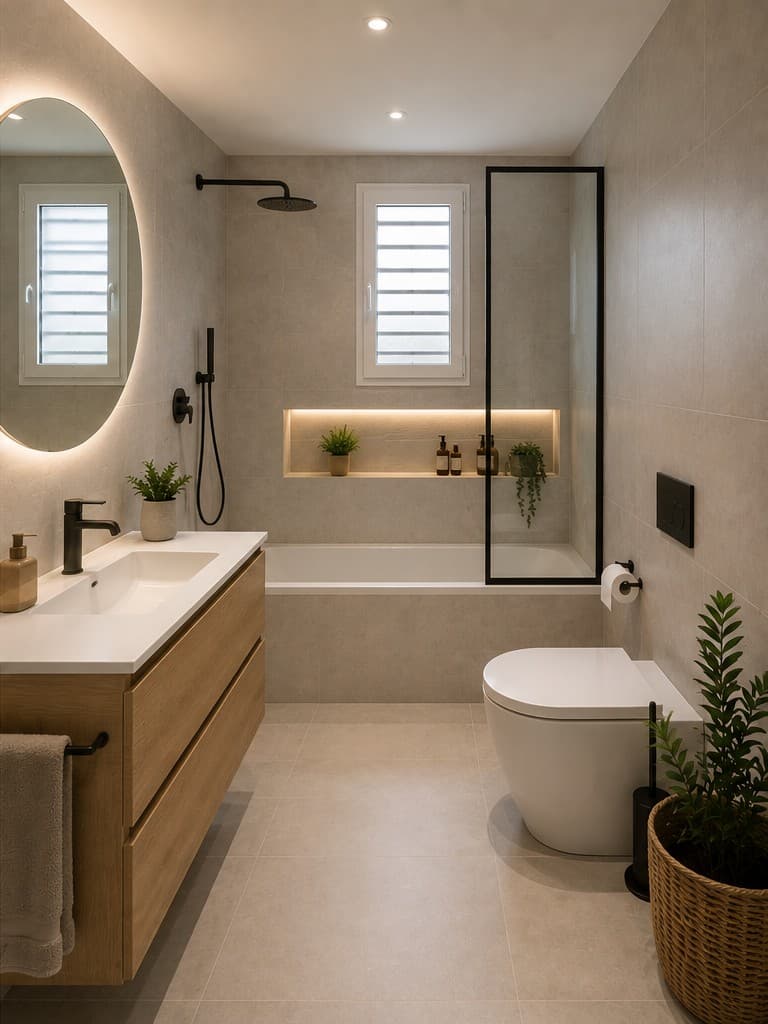
Once the objective has been defined, an architectural design will be created to suit your needs and preferences. This step is crucial, as good design optimizes the functionality and aesthetics of the villa. Using 3D design tools can facilitate visualization of the final project and allow you to make changes before construction begins. Additionally, it is advisable to conduct a flow analysis of people in the spaces to ensure the layout is comfortable and practical. It is estimated that good design can increase property value by 20% according to real estate market studies. Including multifunctional spaces, such as a home office area integrated with the living room, can be an advantage in the design, given the increase in remote work in recent years. For those seeking a more luxurious approach, one option is to transform the bathroom into a relaxation space, such as a luxury spa bathroom renovation.
3. Construction execution
The execution of the work must be carried out by highly qualified professionals. This includes managing all necessary trades, ensuring that each stage is completed as planned and meets quality standards. Using a project manager can be beneficial to coordinate all activities and ensure deadlines and budget are met. Furthermore, it is essential to conduct regular inspections during the work to ensure that the agreed plans and specifications are being followed. According to a report by the Association of Renovation Companies, 30% of renovations do not meet established deadlines due to lack of adequate supervision. Implementing a detailed schedule and regular meetings with all those involved in the project can help mitigate these p