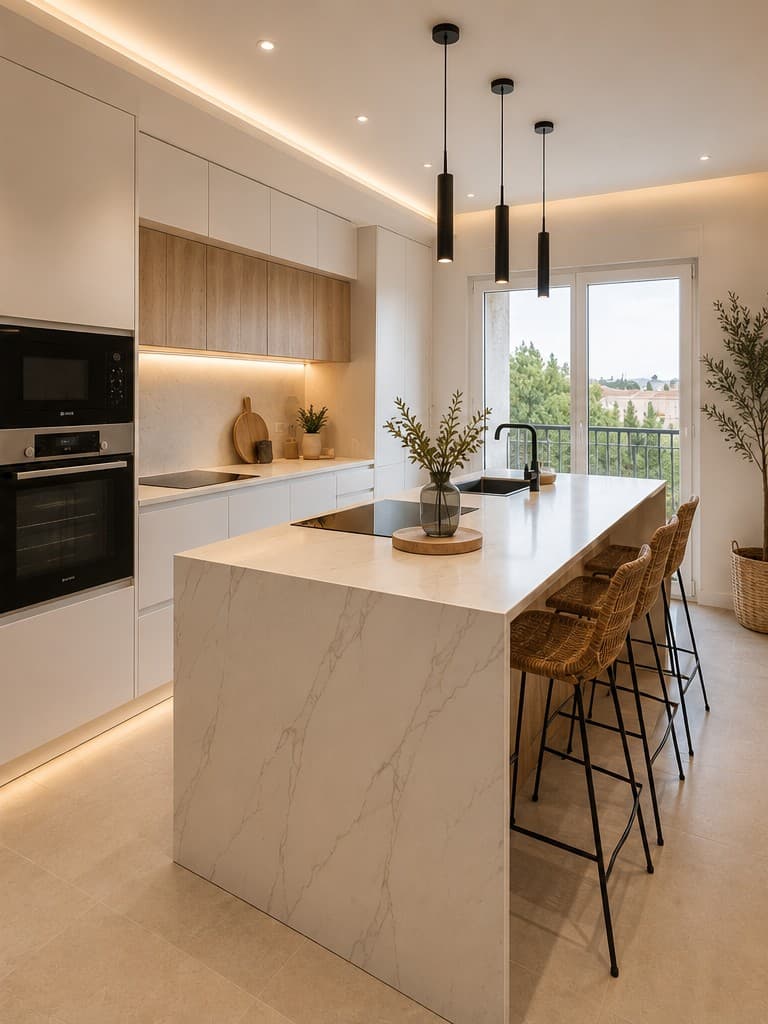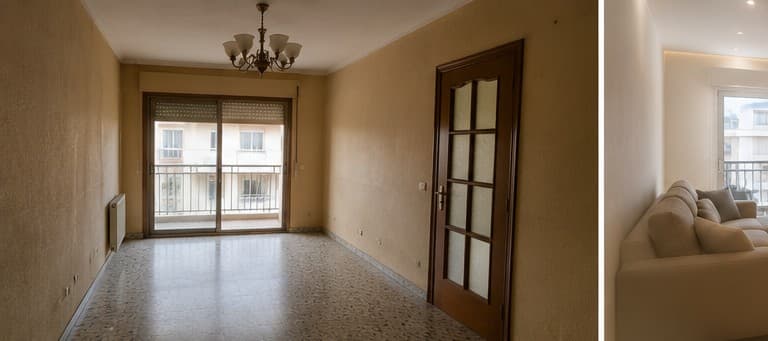

Common Mistakes in Premium Renovations and How to Avoid Them

Share this :

Common mistakes in premium renovations and how to avoid them

Introduction

Premium renovations are an excellent way to increase your property’s value on the Costa del Sol, but they can be a complex process. Identifying and avoiding common mistakes in premium renovations is crucial to ensuring your project’s success. From initial planning to final execution, every stage requires attention to detail and proper management. In this article, we will explore the most frequent mistakes and how you can avoid them, ensuring a smooth, hassle-free renovation.

Common Mistakes in Premium Renovations

Tips to Avoid Mistakes

1. Lack of Proper Planning

One of the most common mistakes is not dedicating enough time to planning. Starting a renovation project without a clear plan can lead to cost overruns and delays. It is essential to define a realistic budget and establish a schedule that covers all phases of the works.

1.1 Defining Clear Objectives

Before starting any renovation, it is essential to define the project’s objectives. Ask yourself what you truly want to achieve: are you looking to increase living space, improve energy efficiency, or simply update your home’s aesthetics? Being clear about your objectives will allow you to make more informed decisions and avoid costly changes during execution. For example, if your goal is to improve energy efficiency, you might opt for double-glazed windows, which can reduce heat loss by 30%, according to studies carried out by the Window Manufacturers Association.

1.2 Detailed Budget

An inadequate budget is one of the main causes of stress during renovations. A study by the Spanish Builders Association indicates that 70% of renovations exceed the initial budget. To avoid this, it is advisable to break the budget down into specific categories: materials, labour, permits, and contingencies. Consider allocating an additional 10–15% for unforeseen issues, which will help you manage unexpected expenses without compromising the quality of your renovation. In addition, using budget management software can make it easier to track spending and maintain financial control.

2. Not Hiring Qualified Professionals

Another common mistake is trying to cut costs by choosing unqualified workers or companies. Premium renovations require specific skills and experience. Investing in professionals ensures that the necessary quality standards are met. You can consult resources such as the Spanish Building Technical Code to better understand renovation requirements.

2.1 Verifying Credentials

Before hiring a professional, verify their credentials and experience. Ask about previous projects, request references, and review feedback from other clients. A professional with experience in premium renovations will not only deliver high-quality work, but will also be able to advise you on best practices and design trends. For example, an architect specialising in renovations can suggest innovative solutions that optimise space and improve the home’s functionality.

2.2 Hiring Specialists

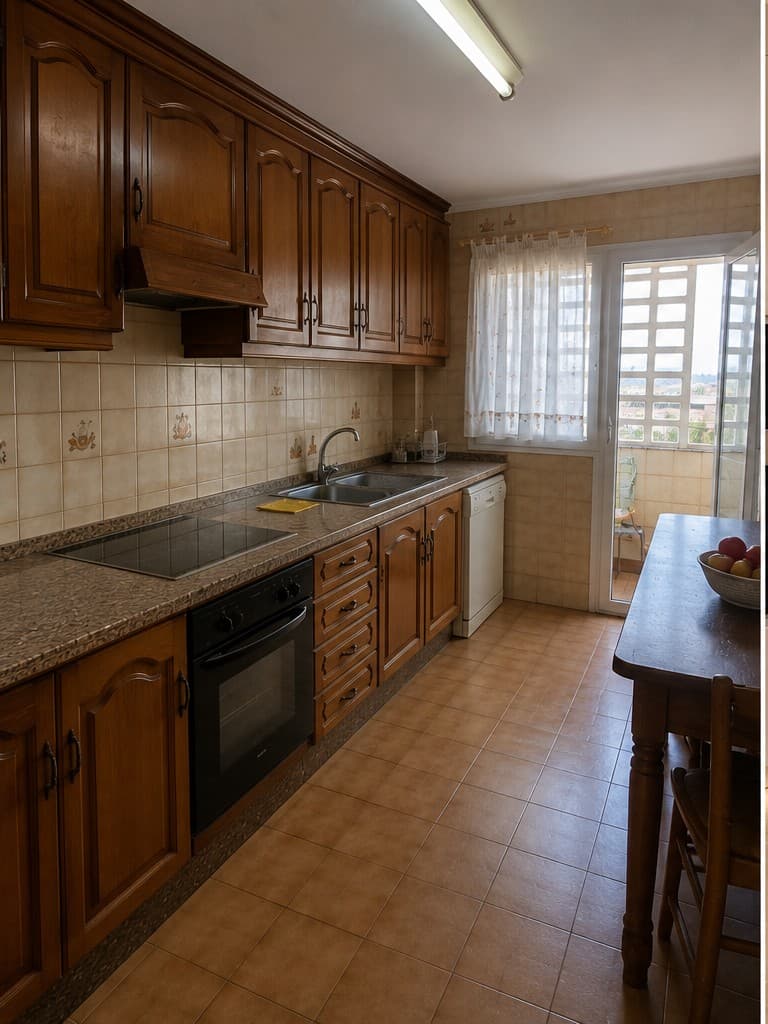
In many cases, it is beneficial to hire specialists rather than a general contractor. For example, if you are renovating a kitchen, look for an interior designer specialising in kitchens who can offer innovative, functional solutions. This can result in a more effective and attractive space. In addition, an electrical systems specialist can ensure the installation complies with current regulations and is safe, thereby avoiding future issues.

3. Ignoring Permits and Regulations

It is vital to obtain all necessary permits before starting any works. Ignoring this step can result in penalties and the project being halted. Regulations can vary by location, so it is advisable to consult the local town hall or relevant professionals.

3.1 Researching Local Regulations

Each locality has specific regulations governing renovations. For example, on the Costa del Sol, regulations can vary between municipalities. Researching these regulations and ensuring compliance can save you legal issues and unnecessary expenses. Also, bear in mind that some renovations may require hiring an architect to prepare the necessary plans. In some areas, renovations that affect a building’s façade may require special permits due to heritage conservation regulations.

3.2 Consequences of Ignoring Permits

Ignoring the required permits can result in fines ranging from a few hundred to thousands of euros. In more serious cases, the town hall may order the demolition of unauthorised works, which would involve considerable expense and delays to your project. In addition, renovations carried out without permits can negatively affect the property’s resale value, as future buyers may question their legality.

4. Not Considering Sustainability

Today, premium renovations should incorporate sustainability principles. Ignoring aspects such as energy efficiency not only affects the environment, but can also reduce the property’s value. Implementing sustainable technologies such as aerothermal systems and solar panels can be a long-term investment.

4.1 Benefits of Energy Efficiency

Implementing sustainable solutions can significantly reduce energy costs. For example, a Stanford University study shows that homes that incorporate solar panels can reduce their electricity bill by 70%. In addition, properties with higher energy certifications tend to have a higher resale value, representing an attractive return on investment. According to a report by the International Energy Agency, homes with strong energy performance can increase their value by 10–20% on the market.

4.2 Sustainability Options

Consider installing efficient heating systems, such as biomass boilers or aerothermal systems, which use renewable energy from the air to heat or cool your home. You can also opt for sustainable building materials, such as certified timber or eco-friendly paints, which are not only better for the environment but also improve indoor air quality. In addition, installing rainwater harvesting systems can reduce drinking water consumption and contribute to your home’s sustainability.

Tips to Avoid Mistakes

1. Carry Out a Preliminary Study

Be sure to carry out a thorough analysis of your property and your needs before you begin. This includes assessing the condition of the existing structure and clearly defining what changes you wish to implement. A preliminary study may include assessing the foundations, electrical and plumbing installations, as well as inspecting the roof and walls to detect possible damp or structural damage.

1.1 Professional Inspection

Carry out a technical inspection of the property with a qualified professional. This may include assessing the structure, plumbing, electrics, and heating systems. A detailed report will allow you to identify hidden issues that could complicate the renovation and increase costs. For example, if it is found that the electrical installation does not comply with regulations, it will be necessary to update it before proceeding with other works, which could involve additional costs if not properly planned.

1.2 Setting Priorities

Once the study has been completed, it is important to set priorities. Ask yourself which changes are essential and which can wait. This will help you manage the budget and timeline more effectively. For example, if the kitchen needs an urgent renovation but the bathroom can wait, focus on the kitchen first. This way, you can avoid the pressure of carrying out multiple renovations simultaneously and ensure each project receives the necessary attention.

2. Establish a Strict Schedule

Create a detailed schedule that includes deadlines for each stage of the renovation. This will help keep the project on track and avoid unnecessary delays. A well-defined schedule should cover not only the construction phases, but also material deliveries and the scheduling of specific works, such as the installation of electrical and plumbing systems.

2.1 Project Management Tools

Consider using project management tools to plan and track progress. Apps such as Trello or Asana can help you organise tasks, assign responsibilities, and set deadlines. This also facilitates communication among everyone involved in the project. In addition, tools such as GanttProject allow you to visualise the schedule and task dependencies, which can be useful for identifying bottlenecks in the process.

2.2 Regular Meetings

Schedule regular meetings with the work team to review project progress. This makes it possible to address issues immediately and adjust the schedule if necessary, keeping the project moving in the right direction. During these meetings, it is useful to review milestones achieved and discuss any challenges that have arisen, as well as proposed solutions. This fosters an environment of collaboration and transparency among everyone involved.

3. Hire Industry Experts

Choose companies with experience in premium renovations, such as Costa del Sol Reformas, with a proven track record and references from satisfied clients. Be sure to review their credentials and previous work. Look for companies with experience in projects similar to yours and that are up to date with the latest trends and technologies in the construction sector.

3.1 Comparing Quotes

Request quotes from several companies before making a decision. This will allow you to compare prices and services, ensuring you are getting the best quality at the best price. Do not limit yourself to choosing the cheapest option; consider experience and the quality of the work delivered. It is also advisable to request a detailed breakdown of the quote to better understand what each line item includes and avoid surprises throughout the project.

3.2 Clear Service Agreements

Establish clear service agreements that define the terms of work, timelines, and costs. This will help avoid misunderstandings and conflicts during project execution. A well-drafted contract protects your interests and ensures all parties are aligned. Be sure to include clauses covering potential delays, changes in scope, and payment terms to provide a clear framework that both parties commit to.

4. Learn About Local Regulations

Consult the local regulations related to renovations in the area where your property is located. You can visit the Ministry of Transport, Mobility and Urban Agenda website to obtain up-to-date information on requirements and regulations. In addition, find out about sustainable construction regulations that may apply in your area, as more and more municipalities are implementing measures to promote sustainability in renovations.

4.1 Legal Advice

If you have doubts about the regulations, consider hiring a legal adviser specialising in construction. This can be especially useful if your renovation includes significant changes to the structure or use of the property, ensuring you comply with all necessary regulations. A legal adviser can help you navigate the process of obtaining licences and permits, thereby avoiding legal issues that may arise later.

The Importance of Planning

Planning is at the heart of any successful renovation. It involves not only design, but also logistics, costs, and time. While it may be tempting to start work immediately, dedicating time to meticulous planning can save many problems in the future. A good plan also includes identifying material suppliers and scheduling deliveries to avoid delays on site.

1. Functional and Aesthetic Design

A well-planned design should not only be aesthetically pleasing, but also functional. It is vital to consider how each space will be used and ensure the design reflects your day-to-day needs. For example, in a kitchen renovation, the layout of appliances and work areas should facilitate flow and comfort while cooking. In addition, the choice of materials should be consistent with the home’s style and the desired functionality; for example, choosing water- and heat-resistant surfaces in the kitchen can extend the lifespan of the materials.

2. Anticipating Problems

Planning makes it possible to anticipate potential problems before they become obstacles. By identifying these issues early, you can develop proactive solutions. For example, if the inspection reveals that the electrical installation needs updating, you can address this before it causes delays in other phases of the renovation. Planning also includes identifying potential conflicts with neighbours, especially if the works may cause disruption such as noise or dust, which may require prior communication to minimise disputes.

3. Supplier Evaluation

A crucial aspect of planning is evaluating suppliers of materials and services. Researching and selecting reliable suppliers can make a significant difference to the quality of the renovation. Consider suppliers’ reputations, delivery lead times, and the warranties they offer. A supplier that provides high-quality materials can ensure your renovation is not only visually appealing, but also durable. For example, using high-quality ceramics can reduce the need for short-term replacement, saving money in the long run.

3.1 Local vs. International Suppliers

An important decision when selecting suppliers is whether to choose local or international sources. Local suppliers can offer advantages such as better market knowledge and shorter delivery times. In addition, by choosing local products, you contribute to the region’s economy and can benefit from materials adapted to the Costa del Sol’s climate and specific conditions. On the other hand, international suppliers may offer exclusive products and advanced technologies, but it is crucial to assess shipping costs and any duties that could increase the final budget.

Conclusion

Avoiding common mistakes in premium renovations is essential to ensure your project’s success and your satisfaction. From planning to execution, every step matters. If you are ready to transform your villa on the Costa del Sol, do not hesitate to contact Costa del Sol Reformas for personalised advice and to start your project on the right foot. With a methodical approach and the collaboration of qualified professionals, you will be able to enjoy a renovation that not only improves your quality of life, but also increases your property’s value in the long term.

Need professional help?

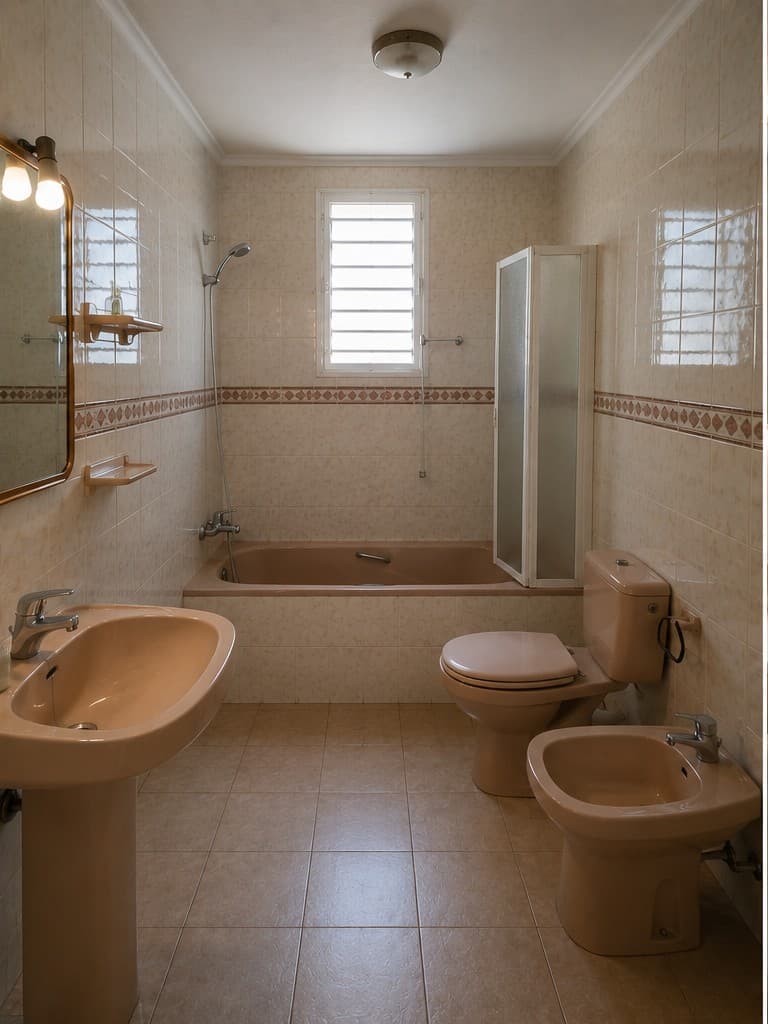
At Costa del Sol Reformas, we offer Comprehensive Villa Renovations: Total renovation of large properties, managing everything from architecture and licenses to advanced home automation and luxury finishes, with the aim of increasing property value. Designer Kitchens: Creation of bespoke culinary spaces, using state-of-the-art technical materials (such as Silestone or Dekton) and integrated lighting. Spa-Like Bathrooms: Transformation of bathrooms into wellness and suite spaces, specializing in the use of microcement, wall-hung sanitary ware, and high-end thermostatic faucets.

Request your free quote

Common Mistakes in Premium Renovations: A Detailed Analysis

5. Underestimating the Execution Time

One of the most frequent mistakes is underestimating the time each phase of the renovation will take. Many homeowners expect the works to be completed faster than is realistic, which can lead to frustration and misunderstandings with contractors. According to a Harvard University study, 60% of construction projects experience delays due to inadequate planning and unrealistic expectations.

5.1 The Importance of Realistic Deadlines

It is vital to set realistic deadlines from the outset. This will not only help you stay calm throughout the process, but will also allow contractors to plan their work properly. For example, a kitchen renovation project that would normally take between 4 and 6 weeks may be extended if structural modifications are required or if there are issues with material deliveries. A well-planned schedule should include time buffers for unforeseen issues, which can be 10–20% of the total estimated time.

5.2 Flexibility in the Schedule

In addition to setting realistic deadlines, it is crucial to remain flexible. Construction can be unpredictable; weather, material availability, and other factors can influence progress. Stay in constant contact with your work team to adjust the schedule as needed and avoid surprises. Open communication can prevent misunderstandings and ensure everyone is aligned regarding the new deadlines.

6. Not Including Details in the Contract

A common mistake is not including enough detail in the contract with contractors. Homeowners often focus on price and project duration, but details about materials, working methods, and timelines are equally important. A vague contract can lead to disputes and a lack of accountability on the contractor’s part.

6.1 Clear Specifications

It is essential to include clear specifications in the contract. This should include details about the materials to be used, the working methods to be employed, and the deadlines for each phase of the project. For example, if you decide to use a specific type of tile in the bathroom, make sure it is clearly stated in the contract, along with the number of units and the quality. This will protect you in case the contractor attempts to change materials or timelines without your consent.

6.2 Liability Clauses

In addition to specifying materials and working methods, consider including liability clauses in the contract. This may include warranties on the work carried out and responsibility for any damage or issues that arise during or after the renovation. For example, if structural damage occurs due to inadequate workmanship, the contract should stipulate that the contractor is responsible for correcting the problem at no additional cost to you.

Frequently Asked Questions

What are the most common mistakes in premium renovations?

The most common mistakes include lack of planning, not hiring qualified professionals, ignoring regulations, and not considering sustainability.

How can I avoid mistakes in my renovation?

To avoid mistakes, carry out a preliminary study, establish a strict schedule, hire experts, and familiarise yourself with local regulations.

How important is planning in renovations?

Planning is crucial to avoid time and cost issues, ensuring the project is executed efficiently.

Where can I find information on renovation regulations?

You can consult the Ministry of Transport website for up-to-date information on regulations and requirements.

The Importance of Planning

Post a comments

Scroll to Top