
Introduction
Thermal and acoustic insulation has become a priority for villa owners on the Costa del Sol. In an environment where comfort and peace and quiet are essential, having the right solutions can make a real difference to quality of life. In this article, we will explore the advantages of implementing insulation systems in your home, as well as the best practices and techniques available on today’s market.
Importance of Insulation
Thermal and acoustic insulation not only improves occupants’ comfort, but also plays a crucial role in a home’s energy efficiency. On the Costa del Sol, where temperatures can vary considerably, good insulation helps maintain a comfortable indoor temperature without relying excessively on heating and cooling systems, resulting in energy savings and a reduced carbon footprint.
Energy Benefits
Thermal insulation can reduce the need for heating and cooling by 30–50%, depending on the quality of the material and the technique used. This not only means significant savings on energy bills, but also a contribution to environmental sustainability. For example, a well-insulated villa can reduce its annual energy consumption, resulting in lower CO2 emissions and a smaller impact on climate change. A study by Spain’s Institute for Energy Diversification and Saving (IDAE) shows that homes with good thermal insulation can reduce their primary energy consumption by 25% to 30% compared to those without it.
Regulations and standards
To ensure insulation quality, it is essential to comply with established regulations. Spain’s Technical Building Code sets specific requirements to ensure that the materials used are suitable and meet energy-efficiency and acoustic standards. In addition, a building’s energy performance certificate, which rates properties on a scale from A to G, benefits from the correct implementation of insulation systems, thereby increasing the property’s market value. Under current legislation, buildings must meet minimum levels of energy efficiency—including insulation—to achieve a favourable energy rating.
Types of Insulation
There are various types of insulation that can be implemented in a villa. Below are the most relevant:
- Thermal Insulation: This refers to a material’s ability to reduce heat transfer. External Thermal Insulation Composite Systems (ETICS) are highly recommended on the Costa del Sol, as they protect the structure from heat and cold, improving indoor comfort. A study carried out by Spain’s Institute of Construction Sciences shows that ETICS can reduce heating energy demand by 40% in warm climates. This is due to their ability to keep indoor temperatures stable, minimising the need to use heating and cooling systems.
- Acoustic Insulation: This type of insulation focuses on reducing noise transmission, which is essential in busy areas or properties close to the coast. Materials such as acoustic panels and polyurethane foam are effective options. It is estimated that correctly installed acoustic insulation can reduce indoor noise by up to 30 decibels, significantly improving quality of life. For example, in high-traffic urban areas, acoustic insulation can be key to achieving a calm, comfortable environment.
Thermal Insulation Materials
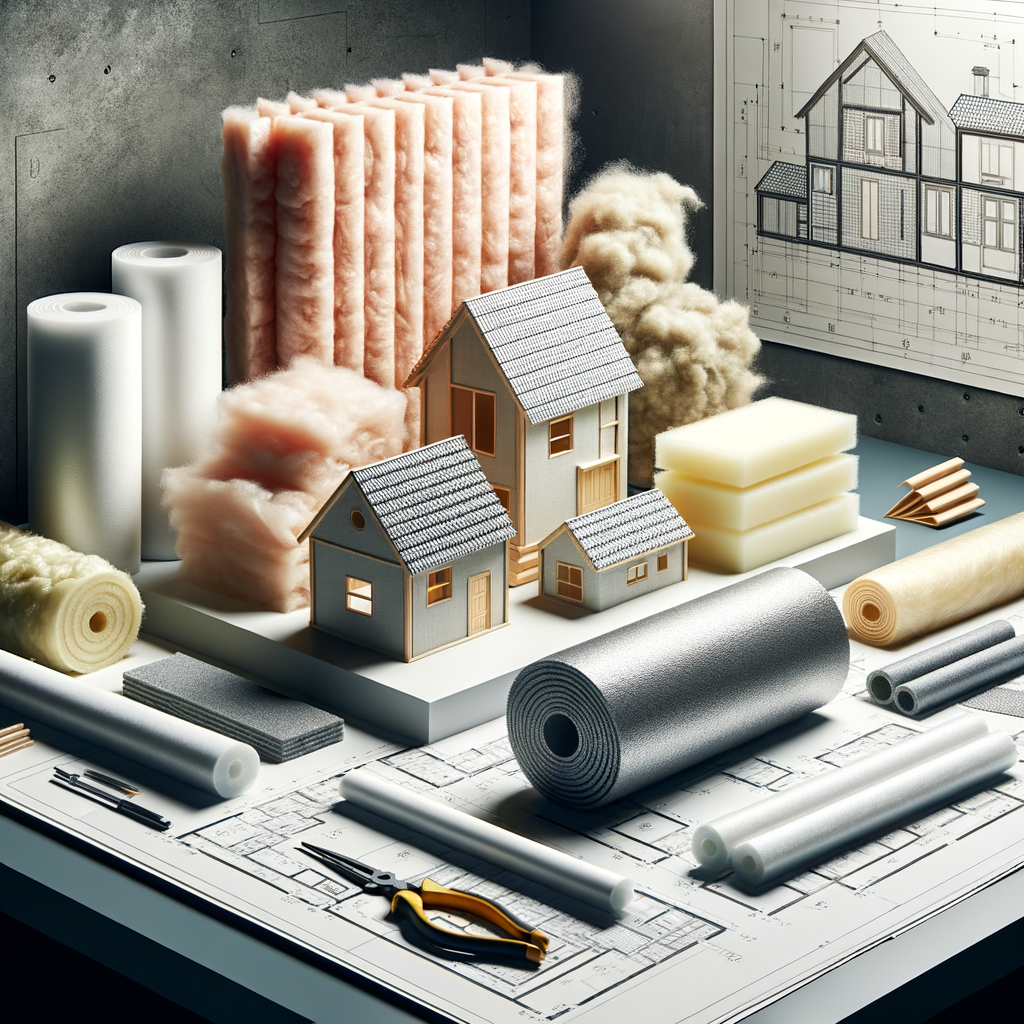
Materials used for thermal insulation include:
- Expanded Polystyrene (EPS): With a thermal conductivity value of 0.035 W/mK, it is one of the most widely used materials due to its low cost and good insulating performance. It is commonly used to insulate roofs, walls and floors. In addition, its light weight makes transport and installation easier, making it a popular choice for renovation projects.
- Polyurethane: This material offers superior performance with a thermal conductivity of 0.025 W/mK, making it an ideal option for limited spaces. In addition, its spray application allows for a perfect seal, eliminating thermal bridges. According to studies, polyurethane can provide an additional 20% energy saving compared to other insulation materials.
- Rock Wool: In addition to its thermal insulating capacity, it is also an excellent acoustic insulator, with properties that can reduce sound by 50%. Its fire resistance is also an added value, making it suitable for buildings seeking to comply with safety regulations. Rock wool is especially useful in applications where both thermal and acoustic insulation are required, such as recording studios or home cinemas.
Acoustic Insulation Materials
For acoustic insulation, various materials are used that offer different levels of effectiveness, such as:
- Acoustic Foam: Ideal for recording studios and home cinema rooms, it can absorb up to 80% of sound. It is easy and versatile to install, and is available in different shapes and thicknesses to suit the specific needs of the space. For example, in a recording studio, strategically placing foam panels can eliminate unwanted echoes and reverberation, improving recorded sound quality.
- Acoustic Plasterboard Panels: Used on walls and ceilings, they help reduce sound transmission between rooms. They can be combined with other materials to improve their effectiveness. For example, combining plasterboard panels with rock wool can provide superior acoustic insulation. In refurbishment projects, the use of these panels has been shown to reduce noise transmission by 40%, resulting in a more comfortable environment.
- Composite Materials: Such as the combination of rock wool and plasterboard, which provides both thermal and acoustic insulation, improving efficiency in a single installation. These composite solutions are ideal for refurbishment projects where space is limited. In addition, their use in modular construction systems is becoming increasingly popular due to their versatility and effectiveness.
Innovations in Insulation
The insulation industry has advanced considerably in recent years, introducing new materials and technologies that improve performance and sustainability. Key innovations include:
- Aerogel Insulation: This material is known for its exceptional insulating capacity, with thermal conductivity as low as 0.013 W/mK. Although it is more expensive, its use in specific applications can deliver considerable long-term energy savings. In high-end projects, aerogel is used in façades and roofs where high energy performance is required without increasing wall thickness.
- Recycled Materials: Insulation solutions are being developed from recycled materials, such as cellulose, which are not only sustainable but also offer competitive performance. Cellulose, for example, can be treated to improve fire resistance and water repellency. These materials are gaining popularity in sustainable construction projects, where the aim is to minimise environmental impact.
- Nanotechnology: The use of nanotechnology in the manufacture of insulation materials is beginning to emerge. These materials can incorporate additional properties, such as self-cleaning and moisture resistance, making them ideal for climates like the Costa del Sol. Nanotechnology also helps improve material durability, making it more resistant to wear and the passage of time.
Benefits of Insulation
Implementing insulation systems in your villa brings multiple benefits:
- Improved Comfort: Good insulation creates a more comfortable indoor environment, maintaining pleasant temperatures throughout the year. Studies show that well-insulated properties have 25% less temperature variation compared to those without insulation. This translates into greater wellbeing for occupants. In addition, reducing cold draughts in winter and controlling temperature in summer are key aspects of everyday comfort.
- Energy Savings: By reducing reliance on heating and cooling systems, owners can see a significant drop in their energy bills. A study by the University of Málaga indicates that homes with good thermal insulation can save up to 60% in energy costs. This is especially relevant on the Costa del Sol, where summer temperature peaks can be high. In addition, the return on investment for insulation projects can be seen within 5 to 10 years, depending on the type of material and the extent of the insulation implemented.
- Added Property Value: Villas with good insulation are more attractive to potential buyers, which can result in a significant increase in the property’s value. A Costa del Sol real estate market report suggests that properties with high energy-efficiency ratings sell 15% faster than those without these features. This is due to growing concern about sustainability and energy efficiency among buyers. In addition, properties with good insulation tend to remain in better condition over time, which also contributes to their long-term value.
Sustainable Construction
At Costa del Sol Reformas, we incorporate a sustainable construction approach into our renovations. This includes using high energy-efficiency materials and installing aerothermal systems and solar panels, which complement insulation and improve your home’s sustainability. For example, combining effective insulation with renewable energy systems can reduce reliance on non-renewable energy sources by 40%, contributing to a cleaner, more sustainable environment. In addition, implementing rainwater harvesting techniques and efficient irrigation systems can complement a comprehensive sustainability approach. Integrating these systems not only helps reduce operating costs, but also promotes a more environmentally conscious lifestyle.
Examples of Successful Projects
In our experience, we have carried out home refurbishment projects on the Costa del Sol that have achieved outstanding results. In one of our projects, we completed full insulation for a 200 m² villa using ETICS and acoustic foam on the internal walls. As a result, the owner reported a 50% reduction in energy bills and a noticeable improvement in sleep quality, thanks to reduced external noise. Another successful case was the refurbishment of an apartment in central Marbella, where acoustic plasterboard panels and rock wool were used, achieving a 40% noise reduction and increasing thermal comfort by 30%. These cases are clear examples of how the correct implementation of insulation systems can transform a space, improving both occupants’ quality of life and the property’s value.
Client Guidance
We understand that every client has unique needs. At Costa del Sol Reformas, we offer a personalised service that includes:
- Detailed assessments of each property to determine the best insulation solutions. Our experts use thermography tools to identify heat loss and areas requiring special attention. This allows us to provide an accurate diagnosis and recommendations tailored to each situation. In addition, we carry out energy simulations to show how different insulation solutions can impact energy consumption.
- Advice on the latest trends and technologies in thermal and acoustic insulation. We stay up to date with advances in materials and installation techniques. In addition, we offer informative workshops for our clients, explaining the benefits and options available on the market. These workshops are designed to educate owners on the importance of insulation and how they can maximise their investment.
- End-to-end project management, ensuring that each stage is carried out efficiently and within budget. Our team of professionals takes care of every aspect, from planning to execution. This not only guarantees the quality of the work carried out, but also provides peace of mind for our clients throughout the process. We use a collaborative approach, keeping owners informed at every phase of the project, which builds trust and satisfaction.
Related articles
Need professional help?
At Costa del Sol Reformas, we offer Comprehensive Villa Renovations: Total renovation of large properties, managing everything from architecture and licenses to advanced home automation and luxury finishes, with the aim of increasing property value. Designer Kitchens: Creation of bespoke culinary spaces, using state-of-the-art technical materials (such as Silestone or Dekton) and integrated lighting. Spa-Like Bathrooms: Transformation of bathrooms into wellness and suite spaces, specializing in the use of microcement, wall-hung sanitary ware, and high-end thermostatic faucets.
Request your free quote
Conclusion and CTA
If you are looking to improve the thermal and acoustic insulation of your villa on the Costa del Sol, please do not hesitate to contact us. At Costa del Sol Reformas, we are here to help you transform your home into a haven of comfort and luxury. Request a no-obligation consultation!
Final Considerations on Insulation
It is important to bear in mind that insulation is not a one-size-fits-all process; it must be adapted to the specific characteristics of each home. Factors such as the home’s orientation, the type of construction and existing materials play a crucial role in selecting the right insulation system. Therefore, it is recommended to carry out a detailed study before implementing any solution. In addition, periodic maintenance of insulation is essential to ensure its long-term effectiveness. For example, in warm climates like the Costa del Sol, it is essential to check the condition of seals and joints in insulation systems to prevent air leaks that could compromise performance.
Impact on Health and Wellbeing
Proper insulation not only contributes to energy savings and comfort, but also has a positive impact on occupants’ health. A study by the University of Granada showed that well-insulated homes have lower levels of damp and mould, resulting in fewer respiratory problems and allergies. In addition, a quiet indoor environment improves sleep quality, which is fundamental to overall wellbeing. Therefore, investing in thermal and acoustic insulation is not only an economic decision, but also an investment in health and quality of life.
Installation Recommendations
To maximise the benefits of insulation, it is essential that installation is carried out by qualified professionals. Correct application of materials and installation techniques is crucial to avoid future problems. For example, in the case of roof insulation, it is essential to pay attention to ventilation to prevent moisture build-up and ensure the system’s durability. Likewise, it is advisable to carry out periodic energy audits to assess the effectiveness of the insulation and make adjustments if necessary. In summary, a comprehensive approach that includes the right selection of materials, professional installation and regular maintenance will ensure that your home on the Costa del Sol remains comfortable and efficient for many years.
Considerations for Insulation in Different Climates
The Costa del Sol has a Mediterranean climate characterised by mild winters and hot summers, which means insulation must be strategic to address both extremes. In winter, it is essential to prevent heat loss, while in summer the goal is to keep interiors cool. For this reason, installing insulation systems that reflect heat is recommended, such as reflective insulation panels, which can reduce heat gain by 25% compared to structures without them. This can be achieved, for example, by using reflective membranes on roofs and sun-exposed walls.
Costs and Return on Investment
Investment in thermal and acoustic insulation can vary considerably depending on the materials chosen and the scale of the project. However, the return on investment is usually positive. According to a market analysis, the average cost of installing insulation in a home can range from €20 to €50 per square metre. Despite the initial investment, owners can expect a return in the form of savings on energy bills, which are often recouped within 5 to 10 years. In addition, properties with good insulation tend to have a higher valuation in the real estate market, adding significant long-term value.
Environmental Impact of Good Insulation
Implementing insulation systems not only benefits owners, but also has a positive impact on the environment. By reducing energy consumption, greenhouse gas emissions are lowered. A study by Spain’s Ministry for the Ecological Transition indicates that improving insulation in buildings can contribute to a 20% reduction in CO2 emissions associated with energy consumption. This is especially relevant on the Costa del Sol, where tourism and construction are economic pillars. Adopting insulation measures can be a crucial step towards sustainability and the conservation of the natural environment, which is one of the region’s greatest attractions.
Frequently Asked Questions
What materials are used for thermal insulation?
The most common materials include expanded polystyrene, polyurethane and rock wool. Each offers different levels of efficiency and cost.
How can acoustic insulation improve my home?
Acoustic insulation can reduce external noise, improving peace and quiet at home, especially in noisy areas near the beach or traffic.
Is it expensive to implement insulation in a villa?
Costs can vary depending on the type of insulation and the surface area to be treated, but the investment is quickly recovered through energy savings and increased property value.
Which regulations should I consider for insulation?
It is important to follow the guidelines of Spain’s Ministry of Transport, Mobility and Urban Agenda, which provide guidance on implementing suitable insulation solutions.