
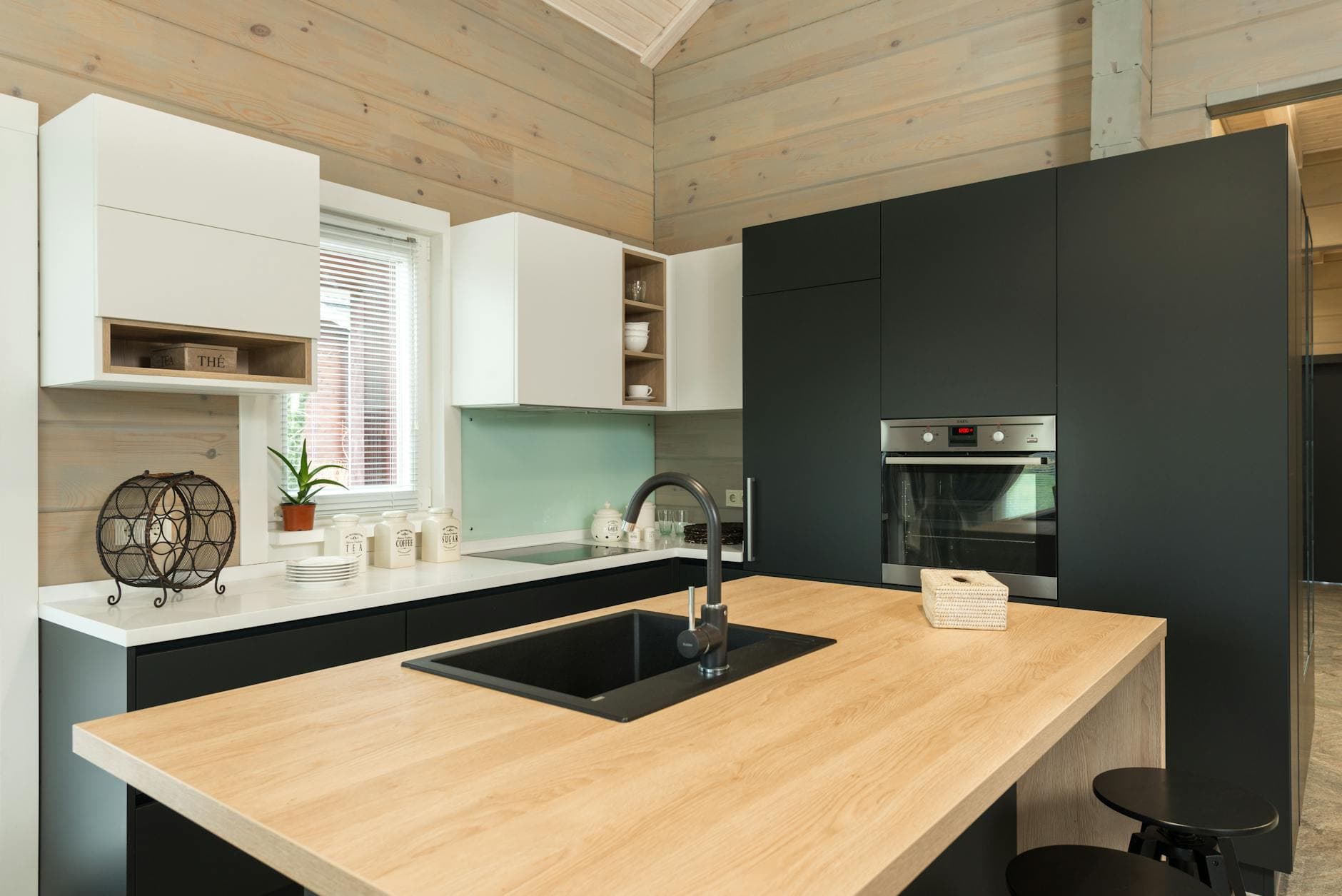
Introduction
Creating a unique and functional designer kitchen is a dream for many homeowners looking to transform their home into a space that combines aesthetics and practicality. At Costa del Sol Reformas, we know that the kitchen is the heart of the home, a place where moments are shared, memories are cooked, and the personal style of each family is reflected. In this guide, we offer you a journey through the essential elements you should consider when designing the kitchen of your dreams.
Key elements for a designer kitchen
1. Space distribution
The layout is fundamental for your kitchen to be both functional and attractive. Consider different configurations such as L-shaped, U-shaped, or central island. Each has its advantages and adapts to different lifestyles. The key is to maximize space, allowing for an efficient workflow. According to a study by the National Kitchen & Bath Association (NKBA), a well-planned layout can increase kitchen efficiency by up to 30%, resulting in significant time and effort savings. For example, the triangle layout, which connects the stove, sink, and refrigerator, is one of the most recommended by experts, as it minimizes unnecessary movements.
1.1. Considerations for the work triangle
The work triangle is a design methodology based on the location of three key points: the stove, the sink, and the refrigerator. The distance between these points should be between 4 and 9 feet (1.2 to 2.7 meters) to ensure smooth movement. Additionally, it is important that there are no obstacles in the triangle, such as islands or tables, that could interrupt the flow. A study from the University of California, Berkeley found that kitchens that follow this rule increase efficiency by 25% compared to those that do not.
2. High-quality materials
The use of state-of-the-art technical materials, such as Silestone or Dekton, not only provides an elegant finish but also ensures durability and resistance. Choosing surfaces that are easy to clean and maintain is essential for a functional kitchen. Additionally, you can include natural stone finishes that add a touch of luxury. A study conducted by the Technological Institute of Furniture, Wood, Packaging, and Related (AIDIMME) highlights that quartz countertops, like Silestone, have a stain and abrasion resistance 90% higher than conventional laminate. This makes them an ideal choice for modern kitchens, where hygiene and aesthetics are priorities.
2.1. Material comparison
When selecting materials, it is important to consider not only aesthetics but also functionality and maintenance. For example, wooden countertops can offer warmth and a cozy appearance, but they require regular maintenance to avoid water damage and stains. On the other hand, stainless steel is highly durable and easy to clean, but it can scratch easily. A life cycle analysis of materials conducted by the Institute of Building Materials shows that natural stone countertops have a durability of up to 30 years, while laminate ones typically last between 5 and 10 years, justifying the investment in high-quality materials.
3. Integrated Lighting
Lighting plays a crucial role in creating a cozy and functional atmosphere. Consider incorporating lighting under cabinets, recessed spotlights, or even pendant lamps over the island. The combination of natural and artificial light can completely transform your space. A study from the Lighting Research Center suggests that good lighting can increase productivity in the kitchen by up to 20%. Using LED lights, which are 75% more efficient than incandescent bulbs, not only reduces energy consumption but also provides adequate brightness for culinary tasks without effort.
3.1. Types of Lighting
There are various lighting options you can consider for your kitchen. Task lighting focuses on specific areas where activities take place, such as food preparation. Ambient lighting provides a soft, diffused light that makes the space more inviting. Finally, accent lighting is used to highlight decorative elements, such as artwork or shelves. According to the American Lighting Association, a well-balanced lighting design can enhance the perception of space by 30%, making it appear larger and more welcoming.
Design and Construction Process
1. Initial Planning
Before starting the renovation of your kitchen, it is vital to carry out careful planning. This includes defining your needs, setting a budget, and selecting experienced professionals. At Costa del Sol Reformas, we offer a comprehensive service that covers everything from architectural design to project execution. It is advisable to analyze current market trends and your family's specific needs. For example, if you have small children, you might consider design solutions that prioritize safety, such as rounded corners on countertops and non-slip materials on the floor.
1.1. Defining Needs
An essential aspect of initial planning is defining your specific needs. This may include the amount of storage space you require, the number of people cooking at home, or whether you need dining areas. Conducting a questionnaire can be a good way to identify these needs. A study by the National Kitchen Association shows that 70% of homeowners who carefully plan their space end up satisfied with the result, compared to only 30% of those who do not.
2. Obtaining Licenses
Obtaining licenses is a crucial step in any renovation. Make sure to comply with local regulations and obtain the necessary permits to avoid setbacks. Consult the technical documentation that regulates renovations in your area. The lack of permits can result in significant fines and the obligation to undo the work done. Additionally, it is advisable to have an architect or engineer to advise you in the licensing process, as they can help you submit the appropriate documentation and meet the required technical standards.
2.1. Necessary documentation
The necessary documentation to obtain licenses may vary depending on the location and type of renovation. Generally, you will need a plan of the existing kitchen, a plan of the new layout, details of the materials to be used, and, in some cases, an environmental impact study. Make sure to have all these documents in order, as an error in submission can significantly delay the process. A study by the Builders Association indicates that more than 40% of permit applications are rejected due to lack of adequate documentation.
3. Execution of the work
Once all the plans are in place, execution begins. It is essential to have a team of professionals to ensure that every detail is executed to perfection. At Costa del Sol Reformas, we manage the entire process so you only have to worry about enjoying your new kitchen. During this phase, it is crucial to constantly monitor the progress of the work, ensuring that deadlines are met and quality standards are respected. Implementing project management software can be useful to keep everyone involved informed and organized.
3.1. Quality control during the work
Quality control is a crucial aspect during the execution of the work. This involves conducting regular inspections to ensure that the work is being carried out according to established standards. A report from the Builders Association indicates that projects implementing rigorous quality control are 50% less likely to experience problems during and after construction. Additionally, maintaining constant communication with contractors and suppliers can help resolve any issues quickly and efficiently.
Practical tips for functionality
1. Smart storage
Implement storage solutions that make the most of every corner. From open shelves to cabinets with internal organization, every detail matters. Consider using pull-out modules and adjustable shelves to maximize space. According to a report by the International Kitchen Design Association (IKD), proper storage design can increase storage capacity by 40%, which is crucial in smaller kitchens. Additionally, using clear, labeled containers can improve organization and access to utensils and food, making meal preparation easier.
1.1. Vertical storage solutions
Vertical storage is an effective strategy for maximizing space in small kitchens. Consider installing shelves up to the ceiling or hooks to hang utensils. A study from the University of Michigan suggests that using vertical storage can increase storage capacity by 30% without compromising workspace. Furthermore, drawer organizers and corner storage solutions can help make the most of every nook, reducing clutter and enhancing functionality.
2. Efficient appliances
Select appliances that are not only aesthetically pleasing but also energy-efficient. Installing aerothermal systems can be an excellent option for improving your home's efficiency. Appliances with an A+++ energy rating are recommended, as they can reduce electricity consumption by 50% compared to those with lower efficiency. Additionally, consider the option of smart appliances that allow you to control their operation through mobile apps, thus optimizing their use and energy consumption.
2.1. Appliance comparison
When selecting appliances, it is helpful to compare different brands and models. For example, an efficient washing machine can consume up to 30% less water compared to standard models. Additionally, opting for convection ovens can reduce cooking time by 25%, which not only saves time but also energy. A study by Energy Star shows that households using efficient appliances can reduce their energy bill by an average of 200 euros per year.
3. Personal style
Don't forget to add personal touches that reflect your style. From colors to decorative details, each element should tell a story and make your kitchen truly unique. Choosing the right color palette can influence the mood and perception of the space. According to a study from the University of Texas, warm colors like yellow and orange can stimulate appetite, while cool tones like blue can have a calming effect. Investing in wall art or personalized accessories can also help make the space feel more inviting and personal.
3.1. Interior design trends
Staying updated on interior design trends can inspire you to add that personal touch to your kitchen. For example, the use of ceramic tiles in geometric patterns has gained popularity, bringing a modern and vibrant feel. Additionally, incorporating natural elements, such as reclaimed wood or plants, can create a more inviting and sustainable environment. According to a report from Architectural Digest, 65% of interior designers believe that sustainability will be a key trend in the coming years, suggesting that opting for eco-friendly materials can not only be aesthetically pleasing but also an investment in the future.
Final decisions and closing
The creation of a unique and functional designer kitchen is a process that requires attention to detail, planning, and a focus on quality. At Costa del Sol Reformas, we are here to help you transform your vision into reality. If you are ready to take the next step in renovating your kitchen, contact us and request a no-obligation quote. Remember that every decision you make, from the layout to the finishes, can make a significant difference in the functionality and aesthetics of your kitchen, creating a space where you can enjoy gastronomy and family togetherness.
4. Kitchen Design Trends
Kitchen design is constantly evolving, and it is essential to stay updated on the latest trends to ensure that your kitchen is not only functional but also contemporary. Minimalist kitchens, which emphasize clean lines and a clutter-free design, are becoming increasingly popular, especially in small spaces where every square meter counts. According to a study by Houzz, 48% of homeowners prefer a modern kitchen style, which often includes finishes in white, black, or gray, accompanied by pops of color through accessories and decor.
4.1. Open Kitchens
The trend towards open kitchens continues to rise, as it allows for greater interaction between living and kitchen spaces, promoting a more social environment. This layout not only enhances functionality but also maximizes natural light. A study by the NKBA indicates that 70% of homeowners who opt for open kitchens express greater satisfaction with their home. Additionally, the integration of kitchen islands has become essential, providing extra space for food preparation and socializing. Islands can include elements such as sinks or cooktops, making them a focal point in the design.
4.2. Use of Technology in the Kitchen
Technology also plays a crucial role in modernizing kitchens. The incorporation of smart devices, such as refrigerators that allow you to shop from your phone or voice-controlled lighting systems, is revolutionizing the way we cook and live. According to a report by Statista, 30% of households in Europe already have smart appliances, and this figure is expected to increase in the coming years. Furthermore, home automation allows for the integration of security systems and energy control, which not only enhances functionality but also contributes to the sustainability of the home.
Related Articles
- Transform Your Villa: Guide to Effective Premium Renovations
- Transform Your Villa: Keys to a Successful Comprehensive Renovation
- Transform Your Villa: Keys to a Successful Premium Renovation
Need Professional Help?
At Costa del Sol Reformas , we offer Comprehensive Villa Renovations: Total renovation of large properties, managing everything from architecture and permits to advanced home automation and luxury finishes, with the aim of increasing the property's value., Designer Kitchens: Creation of signature culinary spaces, using state-of-the-art technical materials (such as Silestone or Dekton) and integrated lighting., Spa-Type Bathrooms: Transformation of bathrooms into wellness and suite spaces, specializing in the use of microcement, suspended sanitary ware, and high-end thermostatic faucets..
Request your free quote
5. Sustainability in Kitchen Design
Sustainability is an increasing concern in interior design, and kitchens are no exception. Choosing recycled materials, installing water and energy-saving systems, and using efficient appliances are just a few ways you can make your kitchen more eco-friendly. A study by the Ellen MacArthur Foundation estimates that 80% of the environmental impacts of a product are defined in the design phase, meaning the decisions you make now can have a lasting effect on the environment.
5.1. Sustainable Materials
Opting for sustainable materials, such as certified wood, bamboo, and recycled plastic composites, is not only beneficial for the environment but can also add aesthetic value to your kitchen. Additionally, some manufacturers offer countertop and flooring options made from recycled materials, which can be just as durable and attractive as their traditional counterparts. According to a report by the Sustainable Builders Association, using sustainable materials can reduce a kitchen's carbon footprint by 50% compared to conventional materials.
5.2. Energy Efficiency
Energy efficiency is another key aspect of sustainability in the kitchen. Installing Energy Star certified appliances can reduce energy consumption by 30-50%. Furthermore, considering the installation of solar panels can be a long-term option that not only reduces energy costs but also contributes to a more sustainable future. According to the U.S. Department of Energy, kitchens that integrate renewable energy technologies can save homeowners thousands of euros in energy costs over the lifetime of the home.
Frequently Asked Questions
How long will it take to renovate my kitchen?
The time depends on the scope of the project, but it generally ranges from 4 to 8 weeks.
What materials are most recommended for kitchens?
Materials like Silestone and Dekton are highly recommended for their durability and aesthetics.
Can I customize the design of my kitchen?
Yes, we work together with you to create a design that reflects your personal style.
What type of licenses do I need to renovate my kitchen?
Licenses vary by locality; it is advisable to consult local regulations before starting.