
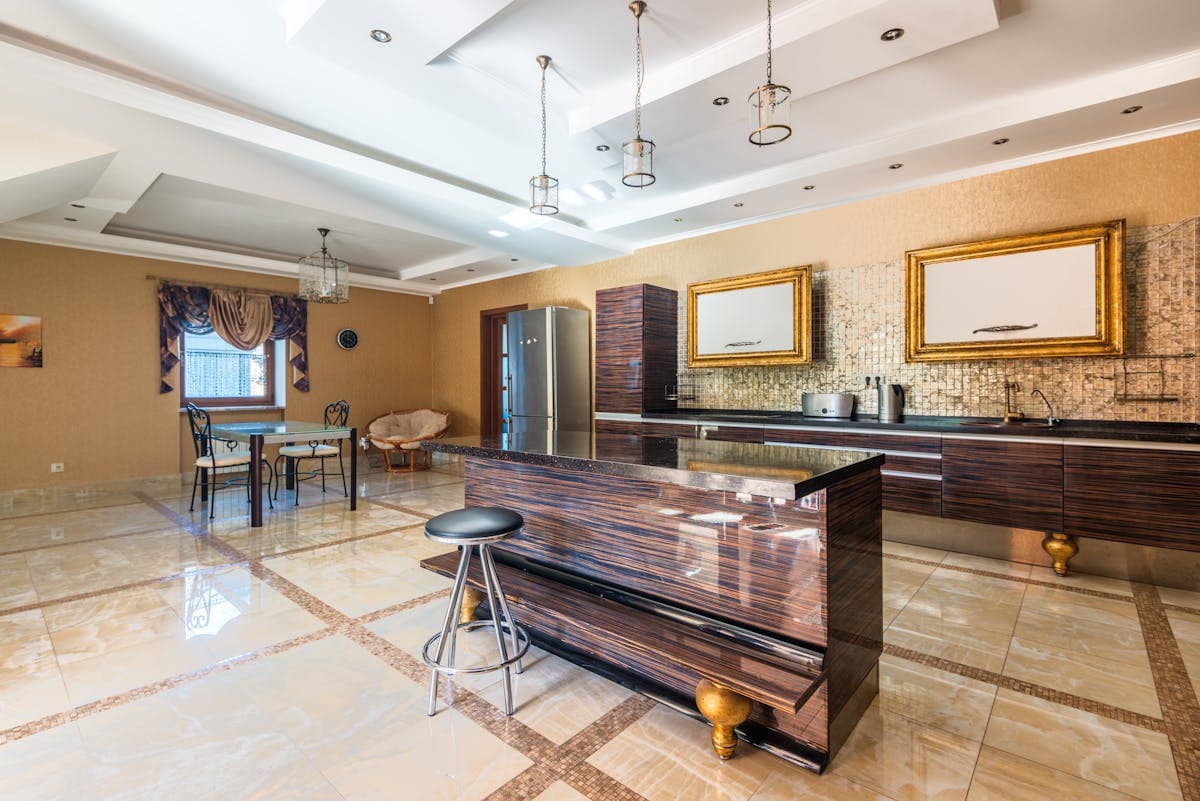
Explore the trends in interior design for premium renovations 2026 and transform your home on the Costa del Sol. Contact us for more information!
Introduction
In 2026, interior design for premium renovations on the Costa del Sol evolves towards an approach that prioritizes authenticity, conscious functionality, and a luxury that manifests subtly. Premium renovations not only focus on aesthetics but seek to create spaces that resonate with the personality and lifestyle of those who inhabit them. In this article, we will explore the most relevant trends that are shaping the direction of interior design this year, from color choices to the incorporation of technology.
Warm Earthy Color Palettes
The color palettes in 2026 are far from the cool white and gray tones that dominated the past. Now, earthy and warm colors are chosen, evoking feelings of comfort and connection with nature. Shades like deep clays, golden sands, and terracotta are combined with elegant burgundies and the emerging color Transformative Teal, creating a sophisticated and contemporary atmosphere. This chromatic diversity not only beautifies spaces but also allows homeowners to personalize their homes, turning them into true sanctuaries.
Psychological Impact of Colors
Colors not only influence aesthetics but also have a profound psychological impact. Studies have shown that warm tones can increase feelings of well-being and happiness in a space. For example, a study from the University of California found that colors like terracotta and yellow can boost creativity and energy in an environment, which is especially beneficial in work or study spaces. Therefore, the choice of these tones is not only based on fashion but on their ability to positively affect the mood of the inhabitants. An analysis of color psychology conducted by the Pantone Institute reveals that 92% of purchasing decisions are based on color perception, highlighting its importance in interior design.
Application Example
In a kitchen renovation in Málaga, a color palette that combines terracotta tones in tiles and natural wood finishes can be implemented. This not only creates a cozy space but also highlights the warmth of the home. By using warm lighting, the feeling of comfort and hospitality can be further enhanced, which is crucial in areas where families gather to share moments. The choice of appliances in copper or bronze finishes can complement this palette, adding a touch of elegance and sophistication.
Warm Minimalism and Lived Spaces
The concept of minimalism has evolved into what is called “Quiet Luxury”. This trend moves away from the coldness of Scandinavian minimalism and embraces the idea of cozy and deeply human spaces. Today's buyers seek homes that feel lived in and not just showcases of design. This translates into renovations that prioritize sensory warmth and comfort in every corner.
Integration of Spaces
For example, when carrying out a comprehensive renovation in a villa in Benahavís, one might consider opening up spaces, removing unnecessary walls to create a fluid environment that allows for interaction and family togetherness. The integration of the kitchen with the living room, for instance, not only improves functionality but also fosters a social atmosphere, where family and friends can interact while cooking or serving meals. According to a study by the National Association of Home Builders in the U.S., 75% of buyers prefer an open floor plan, demonstrating the popularity of this approach.
Use of Natural Textiles
The incorporation of natural textiles such as linen, organic cotton, and wool in decoration is also part of this trend. These materials are not only sustainable but also provide a sense of warmth and comfort. For example, using linen curtains in neutral tones can soften the light entering a room and create a cozy atmosphere. Additionally, a study conducted by the Institute for Indoor Air Quality Research indicates that natural textiles can improve indoor air quality by absorbing moisture and reducing pollutants, contributing to a healthier environment. The inclusion of jute or wool rugs can also add texture and comfort to spaces, creating a more inviting ambiance.
Furniture with Organic Shapes
Soft and curved shapes are gaining prominence in furniture, adding a touch of modernity and elegance. Sofas with curved arms, oval tables, and mirrors with organic geometries are becoming key elements in interior design. This trend not only enhances aesthetics but also elevates the perceived value of a home by 5% to 8% without a significant increase in costs. According to a study by Architectural Digest, the use of organic shapes in furniture design can increase the perception of comfort and well-being by 30% among users.
Implementation in Renovations
When renovating a luxury bathroom in Marbella, one can opt for rounded sinks and curved mirrors that not only optimize space but also bring a contemporary and cozy atmosphere. Choosing a sink design that flows with the lines of the rest of the furniture can transform a conventional bathroom into a spa-like space. Additionally, organic shapes tend to be more ergonomic and comfortable, enhancing the user experience. For example, a ceramic sink with soft shapes may be easier to clean and maintain compared to more angular shapes.
Market Study on Organic Furniture
A study conducted by the European Design Institute has shown that consumers are willing to pay up to 15% more for furniture that features an organic and ergonomic design. This is due to the growing demand for products that are not only aesthetically pleasing but also contribute to the physical and mental well-being of their users. Furthermore, it has been observed that furniture with organic shapes tends to be more durable, representing a long-term investment for homeowners.
Ethical Materials and Natural Textures
In 2026, premium renovations focus on the use of ethical materials and natural textures. The trend towards sustainability has led designers to choose materials that are not only aesthetically pleasing but also responsible. Decorative coverings, such as wallpaper, are making a strong comeback, offering designs with visual textures, soft reliefs, and organic geometric patterns. A report from the International Sustainable Design Association indicates that 65% of interior designers are prioritizing the use of sustainable materials in their projects, reflecting a significant shift in the industry.
Example of Materials
In a premium kitchen renovation, textile-effect wallpaper could be used to complement recycled wood cabinets, creating a harmonious and sustainable environment. The choice of these materials not only supports the circular economy but also enhances the aesthetic quality of the space. Additionally, the use of eco-friendly paints and finishes reduces exposure to volatile organic compounds (VOCs), which is beneficial for the health of the inhabitants. According to a study from Harvard University, spaces designed with sustainable materials can reduce stress levels by 20% among occupants.
Sustainable Materials Certifications
It is important to mention that when selecting ethical materials, options with recognized certifications should be considered, such as the FSC (Forest Stewardship Council) seal for sustainable wood or the LEED (Leadership in Energy and Environmental Design) seal for green buildings. These certifications ensure that the materials have been sourced responsibly and meet sustainability standards. Furthermore, using certified materials can increase a property's resale value, as buyers are increasingly interested in environmentally responsible homes.
Smart and Multifunctional Solutions
Functionality is key in current design. Renovations should integrate multifunctional furniture that allows for space adaptation. From modular sofas to dividing shelves, smart solutions enable a living room to transform into a workspace or study without compromising style. According to a trend report from the Design Innovation Institute, 80% of homeowners seek furniture solutions that offer versatility and adaptability.
Example of Adaptive Spaces
In a comprehensive renovation in Estepona, a reading nook can be designed with shelves that also serve as a separation between the living room and the work area, optimizing space usage while maintaining an aesthetic design. The incorporation of foldable or extendable furniture can also be an excellent solution in small spaces, allowing for maximized functionality without sacrificing aesthetics. For example, an extendable dining table can be ideal for accommodating both family dinners and larger gatherings, adapting to the needs of the moment.
Integrated Technology in Furniture
Another innovative aspect is the integration of technology into furniture. For example, tables that include USB charging ports or sofas that incorporate Bluetooth sound systems are gaining popularity. According to a market study conducted by the Institute of Innovation in Design, 70% of consumers prefer furniture that offers integrated technological solutions. This trend not only enhances the user experience but also makes spaces more versatile and adapted to modern needs. The incorporation of home automation technology, such as smart lighting systems and programmable thermostats, is also essential for creating an efficient and comfortable home.
Strategic Approach for Lasting Renovations
The current trends in interior design point to an approach that does not rely on fleeting fashions. Every design decision should make sense both in the present and in the medium to long term. Interior design has evolved to become a strategic tool that not only beautifies but also inspires and emotionally connects with the residents. Walls, for example, now become true canvases that tell stories and reflect the personality of those who inhabit the home. This can be achieved through the inclusion of personalized artworks and decorative elements that highlight the family history.
Regulatory References
It is essential to consider the current regulations and standards in renovations to ensure the quality and safety of the spaces. For more information on regulations, you can visit the Technical Building Code. Additionally, it is advisable to consult with industry professionals who are aware of the latest updates in safety regulations, energy efficiency, and accessibility. The implementation of renewable energy systems, such as solar panels, must also align with local regulations to ensure their proper installation and operation.
Long-Term Planning
Long-term planning is key to a successful renovation. This involves not only considering current trends but also anticipating future needs and lifestyle changes. For example, if a family plans to increase its number of members, it is essential to design spaces that can adapt to these new dynamics. Flexibility in design is crucial to ensure that a home remains functional and welcoming over time. Trends indicate that families are looking for spaces that can evolve with them, highlighting the importance of adaptable design.
Technological Innovations in Interior Design
The digital revolution has significantly impacted interior design, offering tools and solutions that facilitate the planning and execution of renovations. By 2026, augmented reality (AR) and virtual reality (VR) are essential tools for designers and homeowners. These technologies allow for visualizing spaces before making any changes, helping to make more informed decisions and reducing the risk of costly mistakes.
3D Visualization and Space Simulation
3D design applications allow homeowners to experience their future spaces in a virtual environment. This not only increases customer satisfaction but also helps designers adjust details before construction. A market study by the Interior Design Association indicates that 85% of users who utilized 3D visualization tools felt more confident in their design decisions. Additionally, simulating lighting and textures in these virtual environments allows for anticipating how the space will look at different times of the day, which is crucial for optimizing natural and artificial lighting.
Home Automation and Smart Homes
Home automation has become a key component in premium renovations. The ability to control lighting, temperature, and home security through mobile applications offers an unprecedented level of comfort and efficiency. According to a report by the Smart Home Technology Association, 60% of homeowners are considering integrating automation systems into their renovations. This not only enhances the user experience but can also result in significant energy savings, with studies indicating that smart homes can reduce energy consumption by 30%.
Integration of Sustainability Technology
In addition to home automation, the integration of sustainable technologies is gaining relevance in premium renovations. Rainwater harvesting systems, solar panels, and geothermal heating systems are becoming viable and attractive options. These technologies not only help reduce environmental impact but can also result in significant savings on utility bills. A study from Stanford University indicates that homes implementing sustainable technologies can see a reduction of up to 50% in their long-term energy costs. The combination of these innovations not only improves energy efficiency but also increases property value, making investment in renovations even more attractive.
Closing and CTA
If you are thinking about making a premium renovation in your home on the Costa del Sol, do not hesitate to contact us. At Costa del Sol Reformas, we offer you a comprehensive and personalized service to transform your home into the space of your dreams. Request your quote without obligation!
Related Articles
- Benahavís Renovations: Luxury Company for Villas and Chalets
- High Standing Renovations Estepona Nueva Andalucía 2026
- El Higuerón Benalmádena Luxury Renovations: Your Complete Guide
Need Professional Help?
At in Costa del Sol, Málaga, Spain, we offer Bathroom Renovation, Kitchen Renovation, Comprehensive Renovation. Call us: +34 612 28 62 73.
Design Styles that Set Trends
In 2026, design styles have evolved to include a fusion of global and local influences. Designers are adopting a more eclectic approach, combining traditional elements with contemporary touches. This trend not only reflects cultural diversity but also offers homeowners the opportunity to express their individuality through their spaces.
Japandi Style
One of the most notable fusions is the Japandi style, which combines Japanese aesthetics and Scandinavian design. This approach focuses on simplicity, functionality, and uncluttered spaces, accentuated by natural materials and a neutral color palette. The incorporation of light wood furniture and soft textures, such as cotton and linen, creates a cozy and serene atmosphere. Studies show that this style can reduce stress and increase the feeling of calm in the home, making it a popular choice for those seeking a personal retreat.
Modern Bohemian Style
On the other hand, the modern bohemian style is on the rise, characterized by the use of vibrant patterns, rich textiles, and a mix of decorative elements from various cultures. This style allows for great flexibility in decoration, inviting homeowners to incorporate vintage and handcrafted pieces that tell stories. Implementing this approach can result in a dynamic and welcoming environment, where each element has a purpose and meaning. A study conducted by the Home Aesthetics Institute has revealed that homes decorated in this style tend to be perceived as warmer and more inviting, which can foster a greater sense of community among residents.
Example of Style Application
In a renovation of an apartment in downtown Málaga, one could opt for a combination of Japandi and modern bohemian styles. For example, clean-lined light wood furniture can be used, complemented by cushions and rugs in vibrant colors. This approach not only creates a visually appealing space but also offers a comfortable and inviting atmosphere, ideal for relaxing or hosting guests. The choice of indoor plants can also help improve air quality, contributing to a healthier environment.
References
- Technical Building Code
- Ministry of Transport and Housing