
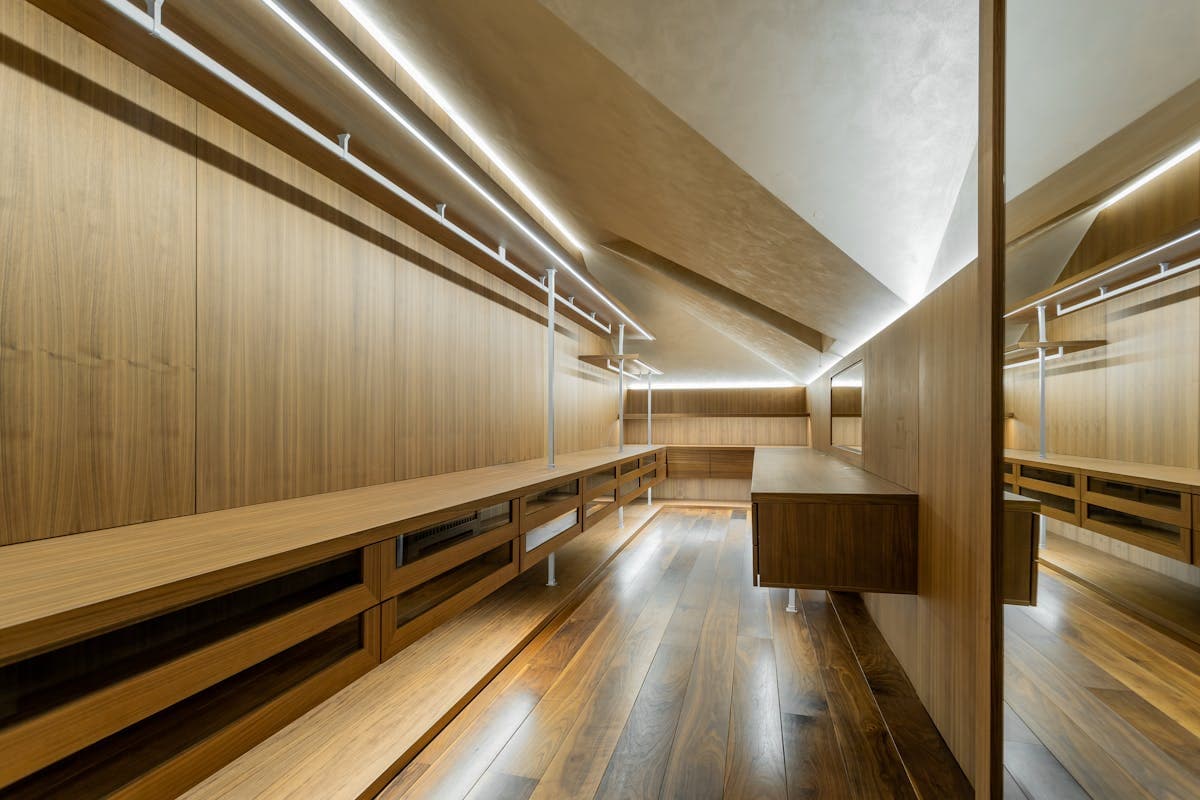
Discover the latest trends in lighting for high-end renovations and transform your home with a touch of style and elegance. Contact us now!
Introduction to High-End Lighting
Lighting is a fundamental element in any high-end renovation. It not only enhances the aesthetics of spaces but also influences the functionality and atmosphere of each room. In this article, we will explore the trends in lighting for high-end renovations, providing innovative and practical ideas that can transform your home into an elegant and welcoming space.
Current Trends in Lighting
1. Smart Lighting Systems
Technology is advancing rapidly, and smart lighting systems are gaining popularity in luxury renovations. These systems allow you to control the intensity and color of the light through mobile applications, offering flexibility and customization. Additionally, they contribute to energy efficiency, which is especially valuable on the Costa del Sol, where energy consumption can be high.
Features of Smart Lighting Systems
Smart lighting systems often include features such as:
- Voice Control: Integration with virtual assistants like Amazon Alexa or Google Assistant, allowing control of lighting through voice commands.
- Scene Programming: Ability to program different lighting scenes for various activities, such as dinners, movies, or reading.
- Motion Detection: Some systems can automatically activate lighting upon detecting motion, enhancing security and convenience.
A study by the research firm MarketsandMarkets indicates that the smart lighting market is expected to grow at a compound annual rate of 25.3%, reaching $78.9 billion by 2024. This reflects the growing demand for technological solutions in the lighting sector.
Integration with Home Automation
The integration of smart lighting systems with home automation is a growing trend. This allows lighting not only to respond to direct commands but also to adjust automatically based on the time of day, the presence of people in the room, and other environmental conditions. For example, a study conducted by the Massachusetts Institute of Technology found that integrating lighting with climate control systems can result in energy savings of up to 40%.
2. Use of LED Lights
LED lights have become the preferred choice for many premium renovations due to their durability, energy efficiency, and versatility. They can be used to highlight architectural features, create cozy environments, or illuminate specific areas such as kitchens and bathrooms. The trend is to use LED lights in strips, recessed, or in decorative lamps for a modern and elegant effect.
Advantages of LED Lights
LED lights offer multiple advantages that make them ideal for high-end renovations:
- Energy Efficiency: LED lights consume up to 80% less energy than traditional incandescent bulbs and have a lifespan of up to 25,000 hours, resulting in significant savings on electricity bills.
- Variety of Color Temperatures: LED lights are available in a wide range of color temperatures, from warm to cool, allowing for customization of the atmosphere in each space.
- Less Heat Emitted: Unlike incandescent bulbs, LEDs emit very little heat, helping to maintain a pleasant temperature in the home, especially in warm climates.
A practical example of their application is the installation of LED strips under kitchen furniture, which not only provides functional lighting but also creates an attractive and contemporary visual effect.
LED Lights and Health
In addition to their efficiency, LED lights also have a positive impact on health. A study from Stanford University has shown that the blue light emitted by LED lights can help regulate the sleep-wake cycle, thereby improving sleep quality. This is especially relevant in high-end renovations, where quality of life is a priority. Therefore, it is advisable to incorporate LED lights that emit a warmer color temperature in rest and relaxation areas.
3. Warm and Inviting Lighting
Warm tones are on the rise, as they create a cozy and comfortable atmosphere. In high-end renovations, it is recommended to combine different light sources, such as floor lamps, wall sconces, and spotlights, to achieve balanced and enveloping lighting. This approach is ideal for living rooms and bedrooms, where comfort is paramount.
Importance of Color Temperature
Color temperature is measured in Kelvin (K) and can significantly influence the perception of space. For example:
- 3000K to 3500K: Ideal for creating a warm and inviting atmosphere, perfect for rest and socialization areas.
- 4000K to 4500K: Provides a more neutral light, suitable for kitchens and bathrooms, where clear and precise vision is required.
- 5000K and above: Offers a cool light, ideal for workspaces where concentration and attention are needed.
A study from Cornell University revealed that environments illuminated with warm light can enhance the feeling of well-being and reduce stress, making the choice of color temperature a critical aspect in interior design.
Practical Applications
In practice, warm lighting can be implemented using table lamps with warm light bulbs in living rooms and bedrooms. Additionally, the use of dimmers allows for adjusting the light according to the activity, creating the perfect atmosphere for every moment of the day.
4. Sculptural Lamps as Focal Points
Sculptural lamps are taking center stage as design elements in luxury renovations. These pieces not only illuminate but also act as works of art within the space. From minimalist designs to more extravagant styles, choosing the right lamp can completely transform the aesthetics of an environment.
Selection of Sculptural Lamps
When selecting sculptural lamps, it is important to consider:
- Proportion and Scale: The lamp should be in proportion to the size of the space and surrounding furniture. A large lamp can serve as an impressive design statement in a spacious living room.
- Materials: The materials chosen for the lamp can influence the perception of the space. For example, a glass lamp can add a touch of elegance, while a metal one can bring an industrial feel.
- Personal Style: The lamp should reflect the owner's personal style, whether modern, classic, rustic, or contemporary.
An example of success in using sculptural lamps is the installation of a uniquely designed pendant lamp in the dining room, which not only provides light but also acts as a visual attraction that invites conversation and enjoyment of the meal.
Aesthetic Impact of Sculptural Lamps
Sculptural lamps not only serve a practical function but can also influence the perception of space. A study by the University of California, Los Angeles (UCLA) found that sculptural lighting pieces can enhance the perception of luxury in an environment, making the space feel more exclusive and refined.
Benefits of Quality Lighting
Proper lighting not only improves the appearance of your home but also brings numerous benefits:
- Improved Productivity: A well-lit environment can increase concentration and efficiency, especially in workspaces. A study from Harvard University found that good lighting can improve productivity by 20%.
- Space Optimization: Strategic lighting can make a space appear larger or cozier, depending on the design intent. For example, using recessed lights can give the impression of higher ceilings.
- Added Value: Good lighting can increase the resale value of your property, a crucial aspect in the luxury market of the Costa del Sol. According to a report from the National Association of Realtors, good lighting can increase a property's value by 10%.
Impact on Mental Health
The quality of lighting also affects mental health. Research from the Environmental Psychology Institute has shown that proper lighting can reduce levels of anxiety and depression in homes. Therefore, it is essential to pay attention to the quality and type of lighting in each room to promote a healthy environment.
Considerations for Your Renovation
When planning the lighting in a high-end renovation, consider the following aspects:
- Functionality: Think about how each space will be used and the type of lighting that best suits its needs. For example, in a studio, you might opt for a combination of direct and diffused light to facilitate work.
- Style: The lighting should complement the overall design of your home. Consider the style of the furniture and existing decor. Consistency in style can enhance the aesthetic perception of the space.
- Budget: Define a clear budget for the lighting. There are options for all price ranges, from economical solutions to exclusive designer pieces. Investing in good lighting can result in a higher return on investment in the long run.
Lighting Planning and Design
Lighting planning should begin in the early stages of interior design. It is recommended to create a lighting design that includes a layout of the light sources, ensuring that all areas are adequately lit. Additionally, the installation of dimmers can be considered to adjust the light intensity according to needs and the desired ambiance.
5. Integration of Natural Lighting
Natural lighting is a crucial component in high-end interior design. Daylight not only reduces dependence on artificial lighting but also enhances the well-being and health of the occupants. Proper planning of windows, skylights, and other openings can maximize the entry of natural light.
Benefits of Natural Lighting
Natural light has multiple benefits, including:
- Wellness Improvement: According to a study published in the Journal of Clinical Sleep Medicine, exposure to natural light during the day can improve sleep quality and regulate the circadian rhythm.
- Energy Savings: Utilizing natural light can significantly reduce energy costs. Natural lighting can decrease artificial light usage by up to 30% during the day.
- Visual Aesthetics: Natural light enhances the colors and textures of the materials used, creating a more vibrant and welcoming environment.
A practical example of integrating natural light is the use of large windows in living rooms or dining areas, which not only allows for a spectacular outdoor view but also floods the space with light during the day.
Window and Opening Design
It is crucial to design windows and openings that maximize the entry of natural light. For example, using skylights in hallways or bathrooms can be an excellent solution for illuminating spaces that typically lack natural light. According to the Efficient Buildings Council, homes that take advantage of natural light can reduce energy use by 25% to 40%.
6. Lighting to Highlight Architectural Elements
In high-end renovations, it is essential to highlight the architectural features of the space. Lighting can draw attention to elements such as moldings, high ceilings, or walls with interesting textures. Using recessed lights, directional spotlights, or LED strips can be an excellent way to achieve this.
Lighting Techniques to Highlight Elements
Some effective techniques include:
- Accent Lighting: Involves placing lights directed upwards or downwards to create an accent effect on walls or ceilings. This can transform an ordinary space into an extraordinary one.
- Tone Lighting: Using soft-colored lights to add a unique touch to architectural features, such as columns or arches, can add visual interest without being overwhelming.
- Text Lighting: For workspaces or libraries, lights can be used to highlight shelves or specific areas, making reading and accessing books easier.
A practical case is the installation of recessed lights at the top of an architectural molding surrounding a fireplace, creating a dramatic effect that highlights this central feature of the living room.
Technical Considerations in Highlighting Elements
When highlighting architectural elements, it is important to consider the color temperature and type of light used. For example, warm lights can enhance wood textures, while cool lights may be more suitable for highlighting modern and minimalist elements. A study from Delft University of Technology concluded that using different color temperatures can change the perception of form and space in a room.
7. Sustainability and Energy Efficiency
Sustainability has become a priority in interior design, and lighting is no exception. Opting for solutions that reduce environmental impact and promote energy efficiency is essential in high-end renovations. LED bulbs, smart control systems, and the use of recyclable materials are some of the recommended practices.
Sustainable Practices in Lighting
Some of the practices you might consider include:
- Use LED Bulbs: As mentioned earlier, LED lights are highly efficient and consume less energy.
- Installation of Light Sensors: These devices allow lights to turn off automatically when no one is in the room, which can save up to 30% on energy costs.
- Recyclable Materials: Choosing fixtures made from recyclable or low-impact materials can contribute to a more sustainable approach.
An example of sustainability in lighting is the use of solar panels to power outdoor lights, which not only saves energy but also reduces the carbon footprint of the home.
Economic Benefits of Sustainability
Implementing sustainable solutions in lighting is not only beneficial for the environment but can also result in significant long-term savings. According to the U.S. Department of Energy, adopting efficient lighting technologies can reduce energy costs by 75%. This is especially relevant in high-end renovations, where the initial investment can be quickly recovered through savings on the electricity bill.
Conclusions and CTA
Lighting is an integral part of any high-end renovation. By incorporating the latest trends and carefully considering functional and aesthetic aspects, you can transform your home into a stylish and welcoming space. If you are thinking about renovating in Málaga, feel free to contact us for personalized advice and a no-obligation quote.
Related Articles
- High-End Renovations Estepona Nueva Andalucía 2026
- Benahavís Renovations: Luxury Company for Villas and Chalets
- El Higuerón Benalmádena Luxury Renovations: Your Complete Guide
Need Professional Help?
At , we offer Bathroom Renovation, Kitchen Renovation, Comprehensive Renovation.
8. Security and Prevention Lighting
Security is a primary concern in any high-end renovation. Lighting plays a crucial role in crime prevention and creating a safe environment. The implementation of security lighting systems can deter intruders and provide peace of mind to residents.
Types of Security Lighting
There are different types of security lighting that can be integrated into a renovation:
- Outdoor Lighting: Outdoor security lights, such as motion lights, can illuminate dark areas around the property. These lights turn on automatically when motion is detected, providing an additional layer of security.
- Hallway and Stair Lighting: Installing lights in hallways and stairs is essential for interior safety. Recessed LED lights or LED strips can be an effective and aesthetic option.
- Garden Lighting: Proper lighting in gardens and patios not only enhances aesthetics but also increases safety. Landscape lights can guide visitors and deter potential intruders.
A study from New York University indicates that well-lit properties are 20% less likely to be targeted for theft. Therefore, investing in security lighting not only improves aesthetics but also protects your home.
Integration of Technology in Security Lighting
The integration of technology into security systems is also on the rise. Security camera systems and motion sensors can connect to mobile apps, allowing homeowners to monitor their homes in real-time. The combination of security lighting with smart technology can provide an additional level of control and peace of mind.
9. Decorative and Thematic Lighting
Decorative lighting has become an essential element for personalizing spaces in high-end renovations. Lighting can be used to reflect the owner's personality and create a specific atmosphere.
Styles of Decorative Lighting
Some popular styles include:
- Vintage Lighting: Lamps with Edison bulbs and bronze or copper finishes can add a retro and cozy touch to spaces.
- Modern Lighting: Lamps with geometric designs and minimalist finishes are ideal for a contemporary style.
- Thematic Lighting: For spaces like game rooms or home theaters, RGB LED lights that change color can be used to create a fun and dynamic atmosphere.
Implementing decorative lighting can transform an ordinary space into an extraordinary one. For example, using LED lights on shelves can create an impressive visual effect and highlight decorative objects.
Impact of Decorative Lighting on Space Perception
A study conducted by Eindhoven University of Technology shows that decorative lighting can influence the perception of size and warmth of a space. Warm lights can make a small space feel cozier, while cool lights can make a large space feel more spacious and open.
Frequently Asked Questions
What are the most popular lighting trends for luxury renovations?
Trends include smart lighting systems, LED lights, warm lighting, and sculptural lamps.
How can lighting affect the ambiance of a home?
Good lighting can enhance productivity, optimize space, and increase the resale value of the property.
What types of light are best for different spaces?
Warm light is recommended for living rooms and bedrooms, and brighter light for kitchens and offices.
Why choose a smart lighting system?
A smart lighting system allows for efficient and personalized control of light, enhancing comfort and energy efficiency.