

Introduction
The kitchen is the heart of any home, and when it comes to premium design, every detail counts. In this article, we will explore advanced tips to optimize your premium designer kitchen, ensuring it is not only a functional space but also a reflection of your personal style and an increase in your property’s value.
Functional Design
Functional design is crucial for any high-end kitchen. Here are some aspects to consider:
Space Layout
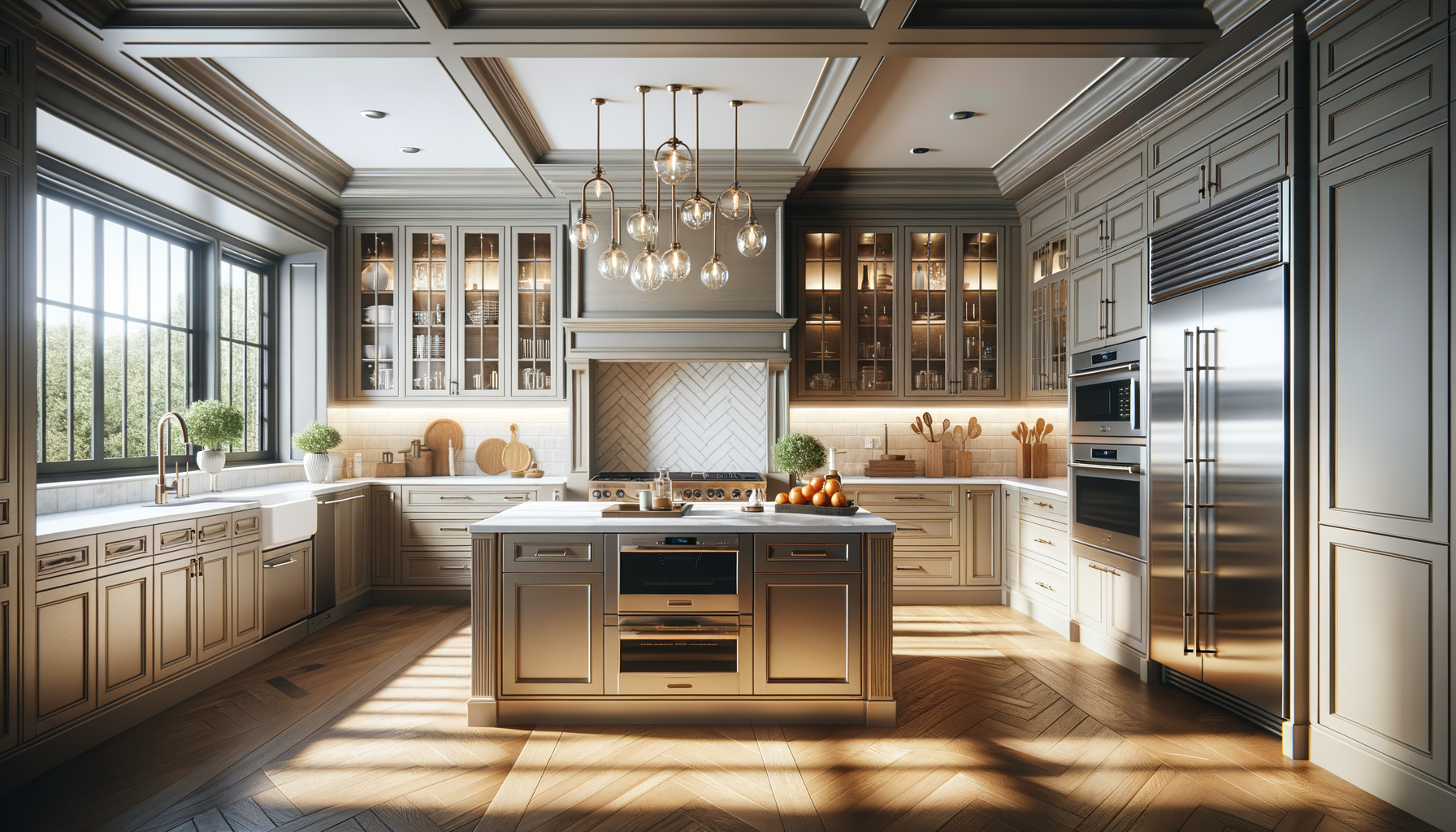
The triangular layout (sink, cooktop, and refrigerator) is fundamental. Ensure these elements are positioned to facilitate movement and efficiency in the kitchen. A study by the National Kitchen and Bath Association (NKBA) indicates that a good layout can increase efficiency by up to 30%, allowing tasks to be performed more smoothly. To maximize functionality, it is recommended to maintain a distance of between 1.2 and 2.7 meters between these main elements, preventing workflow interruptions.
Smart Storage
Incorporate smart storage solutions, such as pull-out corner cabinets and adjustable shelves. This maximizes space and keeps everything organized. For example, pull-out storage systems provide easy access to utensils and food, preventing clutter. Additionally, consider installing vertical shelving that utilizes overhead space, which can increase your storage capacity by 50% compared to conventional shelves. The inclusion of drawer organizers with specific compartments for utensils is also recommended, as it can reduce search time by 40%.
Defined Work Zones
Establishing well-defined work zones can improve your kitchen’s functionality. For example, create a preparation zone near the cooktop and sink, and a cooking zone that is well-lit. This not only facilitates work but also improves the ergonomics of the space. The height of work surfaces should be between 90 and 95 cm for optimal comfort. Furthermore, consider implementing a dedicated cleaning space, including an area for waste sorting and recycling, as it is estimated that a well-organized recycling system can increase the recycling rate by 30% in households.
High-Quality Materials
The materials you choose for your premium kitchen will make a difference in durability and aesthetics. Consider the following:
Kitchen Surfaces
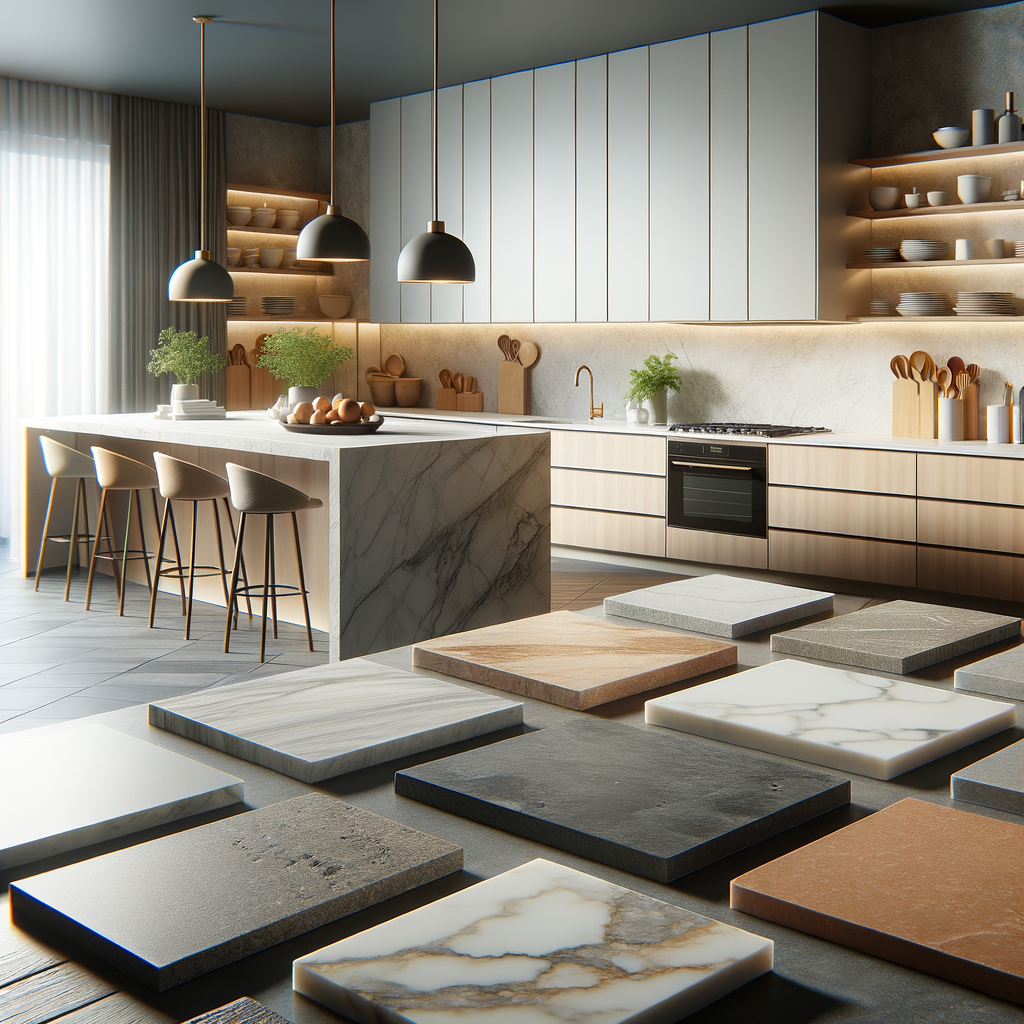
Opt for state-of-the-art technical materials like Silestone or Dekton. These materials are not only attractive but also resistant to stains and heat. For example, Silestone offers a variety of colors and textures, and its quartz composition makes it 50% more impact-resistant than other granite surfaces. Additionally, Dekton’s sealing technology makes it a practically non-porous material, which reduces bacterial proliferation. This latter material, thanks to its manufacturing process, can withstand temperatures of up to 300 degrees Celsius, making it an ideal choice for active kitchens.
Luxury Finishes
Natural stone finishes or premium hardwoods add a touch of elegance. Ensure that every element, from handles to taps, is of the highest quality. Choosing woods such as oak or teak not only provides a warm aesthetic, but also offers moisture resistance, which is crucial in a kitchen environment. In addition, using matte finishes can help conceal fingerprints and stains, keeping the surface cleaner. Choosing high-quality luxury finishes can increase the property’s resale value by 10% to 15%, according to a study by the National Association of Realtors.
Durability and Maintenance
It is important to consider the durability and maintenance of the chosen materials. For example, stainless steel finishes are highly corrosion-resistant and easy to clean but require regular maintenance to avoid fingerprints. On the other hand, composite materials like Corian can offer a seamless appearance and are highly customizable, allowing for integrated sinks and work surfaces without visible joints. Studies show that Corian surfaces can last over 20 years with proper care, making them a sustainable long-term option.
Integrated Technology
Integrating advanced technology can transform your kitchen into a more efficient and comfortable space. Consider:
Home Automation
Incorporate home automation systems to control lighting, temperature, and security from your smartphone. This functionality is not only practical but also adds a modern flair. For example, smart lighting systems can automatically adjust according to the time of day or the activity being performed in the kitchen, improving energy efficiency by 20%. Additionally, integrating motion sensors can automatically turn lights on and off, which not only saves energy but also enhances home security.
Efficient Appliances
Choose high-end, energy-efficient appliances, which will not only save on costs but also contribute to your home’s sustainability. Appliances with an A+++ energy label can reduce energy consumption by up to 50% compared to older models. Furthermore, many of these appliances offer smart features, such as Wi-Fi connectivity, allowing for remote control and task scheduling. For example, a smart oven can be programmed to preheat while you are on your way home, thus optimizing your time and energy.
Technological Accessories
Consider incorporating technological accessories such as sensor faucets, which allow for more efficient water use, or induction cooktops with touch control. The latter are not only faster and safer but also offer easier cleaning. A study by the Massachusetts Institute of Technology (MIT) showed that kitchens equipped with induction can reduce cooking time by 20% compared to traditional gas cooktops. Additionally, sensor faucets can reduce water consumption by 30%, contributing to environmental sustainability.