

Introduction
Choosing luxury finishes for a renovation is a key process in transforming your villa into a design-led, comfortable retreat. In this step-by-step guide, we will provide the criteria you need to select the best finishes that align with your aesthetic and functional preferences. From selecting premium materials to considering technology and sustainability, every decision matters when it comes to increasing the value of your property on the Costa del Sol.
Step 1: Define your style

Before you dive into choosing finishes, it is essential to be clear about the style you want for your space. Do you prefer a modern, minimalist, classic, or rustic design? Research different trends and create an inspiration board that reflects your tastes. Remember that the chosen style should be consistent with your villa’s architecture and the Mediterranean setting.
Consider the Costa del Sol aesthetic
The Costa del Sol is known for its natural light and coastal setting, so the finishes you choose should complement this beauty. Opt for light colours and soft textures that reflect light and create a welcoming atmosphere in your home. Also consider integrating elements that evoke nature, such as earth-toned finishes or stone details, which can create a balance between indoors and outdoors, making your villa feel like an extension of the surrounding landscape.
Inspiration from Mediterranean design
Mediterranean design, characterised by the use of tiles, arches, and high ceilings, can be an excellent reference for your renovation. For example, ceramic tiles in blue and white tones can bring a fresh, bright feel to any space. Combining these elements with natural wood furniture and lightweight fabrics can result in a warm and elegant ambience. According to a study by the University of Granada, using light colours in interiors can increase the sense of spaciousness and brightness, which is essential in an environment with as much natural light as the Costa del Sol.
Step 2: Material selection
Choosing materials is crucial in the renovation process. For luxury finishes, it is advisable to consider options such as:
- Sintered surfaces: Materials such as Dekton or Silestone are ideal for worktops and floors, offering durability and an elegant finish. These materials are highly resistant to stains and scratches, making them a practical and attractive option for kitchens and bathrooms.
- Natural stone: For a touch of exclusivity, natural stone on floors or walls can be an excellent choice. Limestone or marble, for example, are popular options that add a sense of sophistication, although they require regular maintenance to preserve their beauty.
- Premium hardwoods: Incorporating high-quality wood adds warmth and sophistication to spaces. Teak, oak, or walnut are ideal for their durability and aesthetics, but it is important to consider their origin and choose certified timber that ensures sustainable practices.
Consult a renovation expert such as Costa del Sol Reformas for advice on the best options for your project. Remember that combining different materials can result in a more dynamic and attractive design, as long as stylistic coherence is maintained.
Innovations in building materials
In addition to traditional materials, the construction industry has seen a rise in innovative, sustainable, high-performance materials. Materials such as recycled glass or wood-plastic composites are gaining popularity for their durability and low environmental impact. For example, using eco-friendly plasterboard, which is lighter and less toxic, can be an excellent option for interiors. According to the Massachusetts Institute of Technology, these materials can reduce resource use and minimise the carbon footprint of a renovation project.
Sustainable luxury materials
When seeking luxury finishes, sustainability plays a crucial role. Sustainable building materials, such as bamboo and cork, are not only aesthetically pleasing but also eco-friendly options. Bamboo, for example, is a renewable material that grows quickly and is extremely durable. Using it for flooring and furniture can add a modern, natural touch. Cork, on the other hand, is an excellent thermal and acoustic insulator, making it an ideal option for flooring in high-traffic areas. A study by the University of Seville shows that sustainable materials can reduce energy consumption by 30% in well-designed buildings.
Step 3: Budget and suppliers
Once you have defined your style and selected the materials, it is important to set a realistic budget. Research and compare prices from different suppliers to ensure you are getting the best quality at a fair price. Do not cut corners on finishes, as they are a long-term investment that can increase the value of your property.
Managing the budget
Remember to include a contingency in your budget for unforeseen costs. In luxury renovations, additional expenses are common due to the project’s complexity. A good guideline is to allocate between 10% and 15% of the total budget to contingencies. Also consider investing in technologies that, although they may seem costly at first, offer a long-term return on investment, such as solar energy systems or water management systems.
Selecting quality suppliers
Selecting suppliers is a critical step in the renovation process. Thoroughly research references and reviews from other clients before making a decision. Choosing companies that use high-quality materials and have experience with luxury finishes can make all the difference. According to a study by the National Association of Home Builders in the United States, around 70% of homeowners who invested in quality materials reported greater satisfaction with their renovations. In addition, establishing strong communication with your suppliers can make it easier to resolve issues and ensure your vision is delivered effectively.
The importance of certifications
When selecting suppliers, it is essential to consider the quality and sustainability certifications they hold. Certifications such as ISO 9001 for quality management or LEED for sustainable construction are not only indicators of high standards, but also ensure that the materials and processes used are environmentally responsible. A report by the Spanish Association of Building Materials Manufacturers indicates that certified companies can reduce their environmental impact by 25% compared to those that are not. Investing in certified suppliers can be an effective way to ensure the quality and sustainability of your renovation.
Step 4: Execution and final details
Once everything is ready, it is time to carry out your project. It is essential to have a team of professionals responsible for installing the chosen finishes. Make sure every detail is executed with precision, as luxury finishes require care and expertise. For example, if you decide to install an advanced home automation system, ensure the team has experience with this type of installation.
Details that make the difference
Small details can make a big difference in the perception of luxury. Consider elements such as high-end thermostatic taps in the bathrooms or integrated lighting in the kitchen to enhance your space. According to a study by Harvard University, the quality of finishes and aesthetic details can increase a property’s perceived value by up to 20%. In addition, choosing accessories such as door and window handles—made from materials like bronze or stainless steel—can elevate the overall look of your home.
Installation planning
It is advisable to have a clear schedule for carrying out the renovation. Dividing the project into phases can help manage time and resources more effectively. For example, start with demolition and space preparation, followed by the installation of electrical and plumbing systems, before moving on to the final finishes. This not only streamlines the workflow, but also minimises the risk of damage to the luxury finishes that will be installed later. In addition, maintain constant communication with your team to address any issues that arise during the process.
Quality control during installation
It is essential to implement a quality control system during the installation of finishes. This can include regular inspections and reviews at each stage of the process. For example, before installing marble flooring, the substrate should be checked to ensure it is completely level and free of imperfections. A study by the Polytechnic University of Valencia reveals that implementing proper quality controls can reduce installation errors by 40%, resulting in lower repair costs and higher customer satisfaction.
Completion and commissioning
Once installation is complete, it is crucial to carry out a commissioning process. This involves checking that all systems, from lighting to climate control, are working correctly. In addition, it is advisable to perform a deep clean of the space to remove any construction residue that could affect the final aesthetics. According to the International Association of Professional Cleaning, a thorough clean can improve the perception of quality by 30%. Once everything is in order, you will be able to enjoy your new space with the peace of mind of knowing you have made informed decisions and worked with the best materials and professionals.
Post-installation review
After the works are completed, it is advisable to carry out a post-installation review to assess the quality of the work delivered. This can include a detailed inspection of all finishes, from floors to walls and bathroom fittings. A good method is to create a checklist that includes all items to be reviewed, and ensure the expected quality standards are met. This type of review not only ensures everything is in perfect condition, but also helps identify any adjustments or corrections that may be required. According to a report by the International Association of Certified Home Inspectors, 30% of renovations require some post-installation correction, which underlines the importance of this step.
Assessing client satisfaction
Finally, it is important to carry out a client satisfaction assessment after the project is completed. This can be done through surveys or interviews, where feedback can be gathered on the quality of the finishes, the service received, and the overall project experience. A study by Stanford University indicates that companies that conduct client satisfaction surveys can improve client retention by 25%. In addition, this feedback can be valuable for future projects, enabling renovation professionals to refine their practices and provide a better service going forward.
Step 5: Current trends in luxury finishes
To ensure your villa not only meets your expectations but also aligns with current interior design trends, it is essential to stay up to date with the latest innovations and styles in luxury finishes. This will not only ensure your renovation feels contemporary, but it can also increase your property’s resale value.
Metal and glass finishes
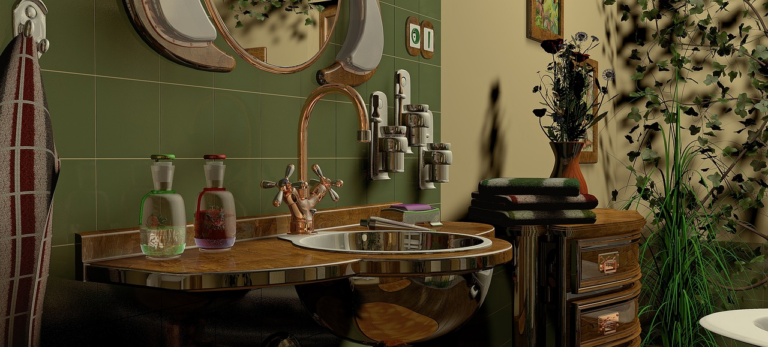
Metallic finishes, such as copper and brass, are becoming popular again in interior design. These materials can be used in taps, decorative accessories, and architectural details. Combining metal with glass, especially in balustrades or space dividers, can add a modern, elegant touch. A study by the Polytechnic University of Madrid indicates that using metal and glass finishes can increase the perceived sophistication of a space by 15%.
Luxury textiles and upholstery
Textiles also play a crucial role in creating a luxurious atmosphere. Choosing high-quality upholstery, such as velvet or silk, can transform a space and provide a sense of comfort and elegance. According to a report by the International Association of Interior Decorators, spaces that incorporate luxury textiles tend to be valued 20% higher in the property market. In addition, choosing curtains and blinds made from sustainable materials can contribute to your home’s energy efficiency.
Bespoke lighting
Lighting is a fundamental aspect of any luxury renovation. Bespoke lighting solutions, including designer lamps or dimmable LED lighting systems, can enhance the aesthetics of finishes and create unique atmospheres. A study by Delft University of Technology showed that appropriate lighting can improve the perception of space by 30%, making luxury finishes stand out even more. Integrating lighting into the architecture of the space, such as in shelving or ceilings, can also be an excellent way to add a distinctive touch.
Integration of advanced technology
Technology plays an increasingly important role in luxury renovations. Home automation systems that control lighting, climate control, and home security are on the rise. For example, installing smart energy management systems can reduce energy consumption by 20% and improve overall home efficiency. In addition, integrating high-end sound devices and audiovisual systems can transform home entertainment, creating a luxury experience that is highly valued by potential buyers.
Related articles
Need professional help?
At Costa del Sol Reformas, we offer Comprehensive Villa Renovations: Total renovation of large properties, managing everything from architecture and licenses to advanced home automation and luxury finishes, with the aim of increasing property value. Designer Kitchens: Creation of bespoke culinary spaces, using state-of-the-art technical materials (such as Silestone or Dekton) and integrated lighting. Spa-Like Bathrooms: Transformation of bathrooms into wellness and suite spaces, specializing in the use of microcement, wall-hung sanitary ware, and high-end thermostatic faucets.
Request your free quote
Step 6: Maintaining luxury finishes
Once you have completed your renovation and are enjoying your luxury finishes, it is essential to establish a maintenance plan to ensure they remain in optimal condition over time. Proper maintenance not only preserves aesthetics, but can also extend the lifespan of the materials used.
Tips for maintaining surfaces
Different materials require specific care. For example, marble surfaces should be cleaned with specialised non-acidic products to avoid damaging the finish. Likewise, premium hardwoods should be treated regularly with oils or waxes to maintain their sheen and durability. A study by the University of Barcelona highlights that proper maintenance can increase the lifespan of luxury finishes by 30%, representing a worthwhile long-term investment.
Regular inspections
Establishing a schedule of regular inspections is essential. These inspections can include checking electrical systems, verifying plumbing, and servicing climate control systems. According to a report by the Spanish Association of Maintenance Companies, carrying out regular inspections can prevent costly problems and ensure all systems operate efficiently. It is recommended to schedule inspections at least once a year.
Training and advice
Involving professionals in the maintenance of luxury finishes is an excellent way to ensure best practices are followed. Consider holding workshops or training sessions on caring for the specific materials used in your renovation. A study by the University of Seville has shown that homeowners who receive training on home maintenance report a 40% reduction in issues related to finish deterioration.
Related articles
- Costa del Sol Renovations
- Practical guide to turning your bathroom into a luxury spa
- Advanced Tips to Optimize Your Premium Kitchen
Frequently Asked Questions
What are the most popular luxury finishes for renovations?
The most popular finishes include quartz surfaces such as Silestone, premium hardwoods, and natural stone.
How can I ensure my renovation complies with regulations?
It is advisable to consult local regulations through official sources such as the Spanish Building Technical Code (Código Técnico de la Edificación).
What type of lighting is recommended for luxury finishes?
Integrated, dimmable lighting is ideal for enhancing luxury finishes.
How can I maximise the added value of my property with luxury finishes?
By investing in high-quality materials and modern technology, you can improve energy efficiency and enhance your property’s appeal.