

“`html
Compare open versus closed kitchen renovations in 2026. Discover their advantages and disadvantages to choose the best option that suits your home.
Introduction
Kitchen renovations are one of the most important decisions homeowners can make, especially in a dynamic market like the Costa del Sol in 2026. The choice between an open kitchen and a closed kitchen can significantly influence the functionality, style, and perception of space in your home. In this article, we will explore the advantages and disadvantages of both approaches to help you make the best decision for your kitchen renovation.
Advantages of Open Kitchens
Open kitchens have gained popularity in recent years, and for good reasons. Here are some of the main advantages:
- Space Integration: By eliminating physical barriers, open kitchens seamlessly integrate with the living room or dining area, creating a more fluid and social environment.
- Natural Light: The absence of walls allows more natural light to enter the space, which can make the kitchen feel larger and more welcoming.
- Family Interaction: Cooking in an open kitchen allows interaction with friends and family while preparing meals, which can foster a more collaborative and inviting atmosphere.
- Modern Style: Open kitchens are often seen as more modern and contemporary, which can increase the overall appeal of your home to future buyers.
Versatile Design
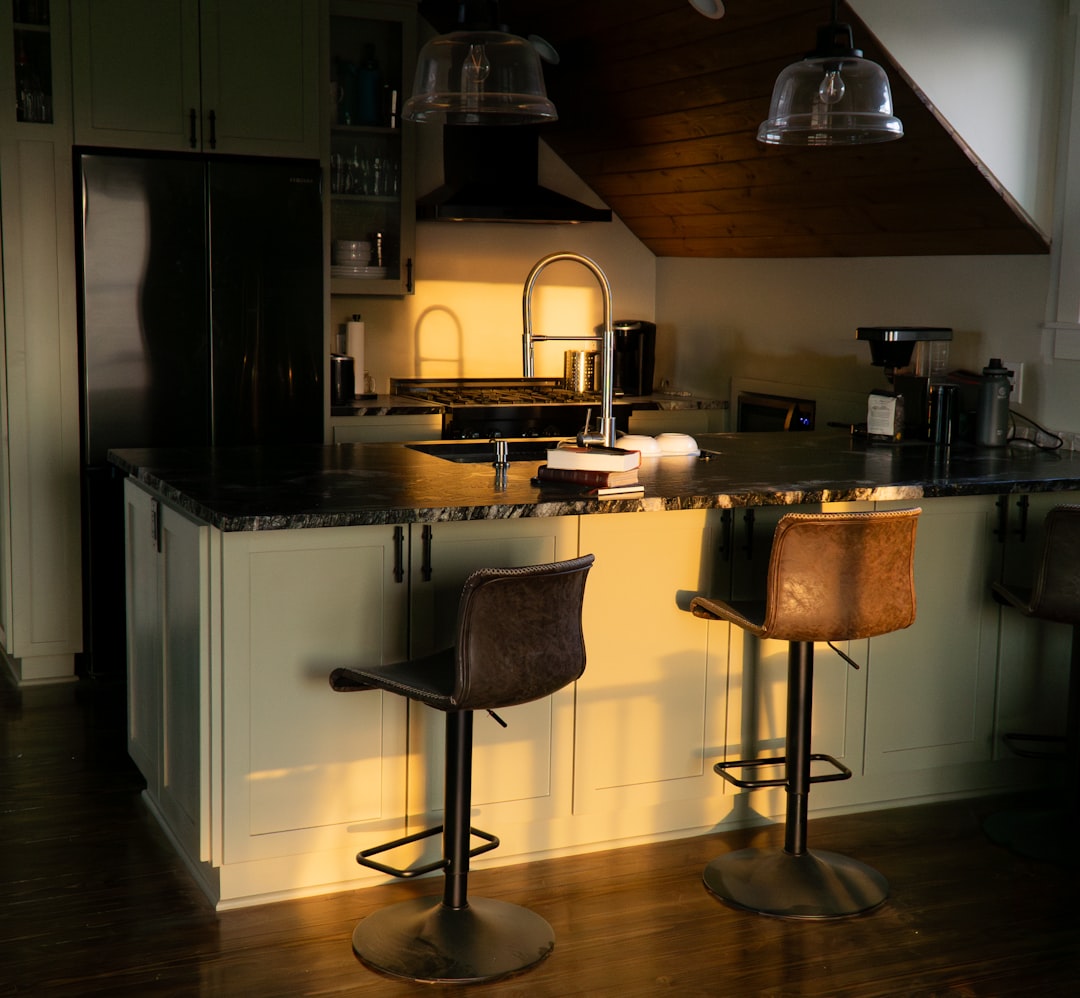
An open kitchen offers flexibility in design. You can opt for a central island that not only serves as a workspace but also as an informal dining area. For example, in an interior design studio, it has been observed that kitchen islands with integrated seating can increase functionality and space usage by 30% compared to traditional kitchens. Additionally, using materials like marble or reclaimed wood in the island can add an aesthetic touch that complements the rest of the decor.
Flow and Connectivity
The open design not only enhances aesthetics but also optimizes airflow and circulation. According to a study by the National Association of Home Builders (NAHB), 78% of homebuyers prefer a kitchen that opens to the living area, indicating a clear trend towards connectivity in the home. This is especially important in homes where family activities take place, as it allows family members to be together even while engaged in different activities.
Decoration Options
Decorating an open kitchen can be more dynamic, allowing for the incorporation of decorative elements that link with the rest of the home. For example, using colors that repeat between the kitchen and the living room can create a visual continuity that makes the space feel more cohesive. According to design experts, a well-chosen color palette can increase the perception of space size by 15%.
Benefits of Technology in Open Kitchens
The integration of technology in open kitchens has also contributed to their popularity. Smart devices such as thermostats, lights, and connected appliances allow for more efficient control of the space. For example, a study from Stanford University revealed that kitchens equipped with smart technology can reduce energy consumption by 20%, which not only contributes to economic savings but also to environmental sustainability. Additionally, the ability to control these devices through mobile apps allows for a more comfortable and modern user experience.
Impact on Property Value
Open kitchens not only enhance the living experience in the home but can also increase property value. According to a report from the National Association of Realtors, homes with open kitchens can sell up to 10% faster than those with closed kitchens. This data is particularly relevant in competitive markets like the Costa del Sol, where first impressions are crucial for potential buyers. The perception of a larger and brighter space can be a decisive factor in a buyer’s choice.
Disadvantages of Open Kitchens
Despite their benefits, open kitchens are not the ideal option for everyone. Here are some disadvantages:
- Smells and Noises: Cooking in an open kitchen can lead to smells and noises spreading quickly to other areas of the house, which could be uncomfortable.
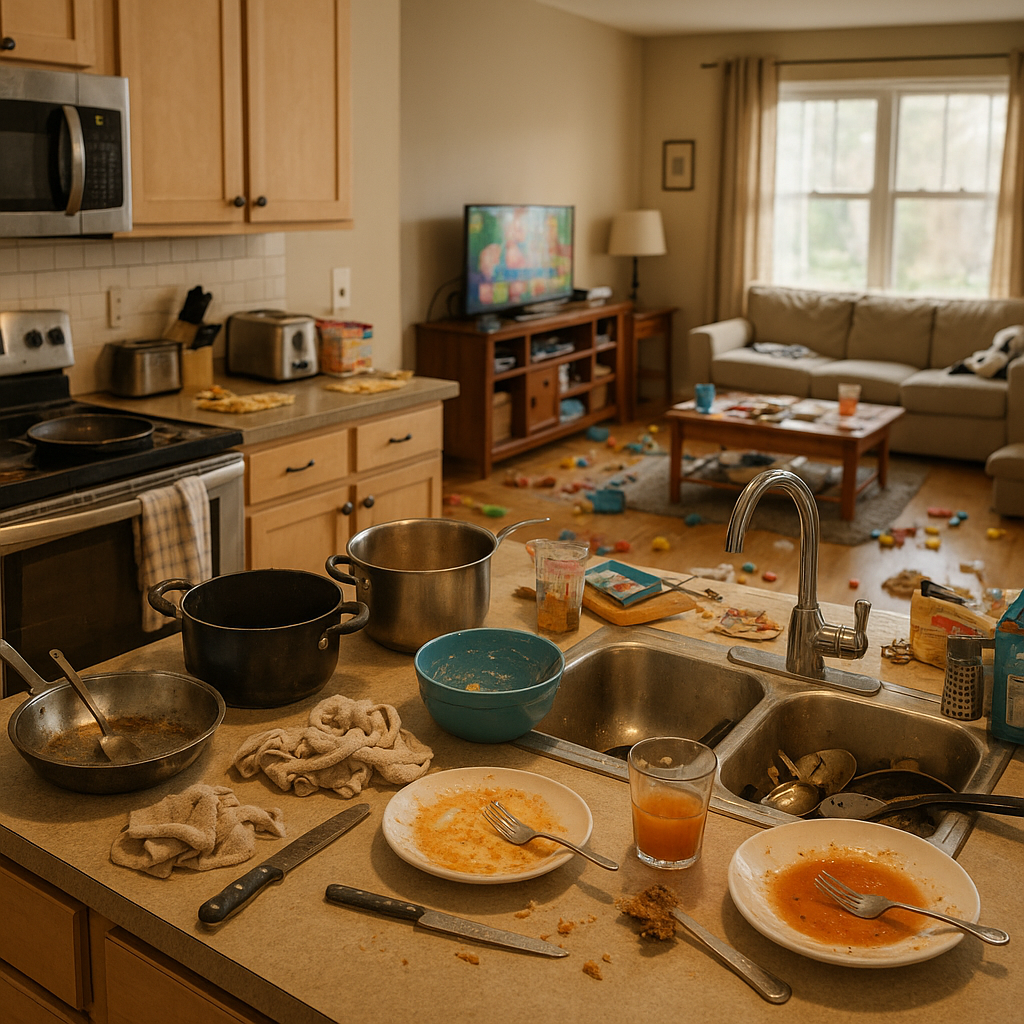
- Visible Clutter: The lack of walls can make any clutter visible to guests, which may generate anxiety for some homeowners about cleanliness and organization.
- Limited Storage Space: If not planned properly, an open kitchen could have limited storage, which can be a challenge for those who need a lot of space for utensils and food.
Solutions to Challenges
To mitigate the inconveniences of an open kitchen, it is essential to implement smart design solutions. For example, high-efficiency air extraction systems can be installed to reduce the spread of odors. A study from Delft University of Technology found that a proper ventilation system can decrease odor concentration in the air by up to 50%. Additionally, using cabinets with doors and hidden shelves can help keep clutter out of sight, improving the aesthetics of the space. Open shelves, while modern, should be used with caution; it is recommended that only decorative items be displayed and not daily-use utensils to avoid a cluttered feeling.
Advantages of Closed Kitchens
On the other hand, closed kitchens have their own set of benefits:
- Privacy and Control: A closed kitchen offers a private space where you can cook without distractions or interruptions.
- Less Odor Spread: Kitchen smells are kept more contained, which can be an advantage if you are preparing dishes with strong aromas.
- Optimized Storage: Closed kitchens often allow for a more efficient design in terms of storage, with more options for cabinets and pantries.
- Classic Style: This type of kitchen can add a more traditional and cozy touch to your home, which may be preferred by some homeowners.
Functional Design
Closed kitchens allow for a more functional design in terms of space distribution. For example, it is common to use work triangles, where the stove, sink, and refrigerator are arranged to minimize movement during food preparation. According to the National Association of Remodelers, a functional design can reduce preparation time by 20%, which is an important consideration for those who cook frequently. The arrangement of appliances should be carefully planned; it is suggested to maintain a distance of at least 1.2 meters between the most used appliances to facilitate movement.
Customization Options
A closed kitchen can offer more customization options, from tile choices to furniture arrangement. For example, homeowners can opt for a galley kitchen design that maximizes space in smaller kitchens, allowing for greater efficiency in the use of the area. Closed kitchens also allow for the installation of windows that can be opened for ventilation, increasing airflow without compromising privacy. Choosing finishes like high-quality ceramics or stainless steel can enhance durability and aesthetics, further increasing property value.
Acoustic Considerations
A less considered advantage of closed kitchens is their ability to isolate sound. In a study conducted by the University of Acoustics in France, it was shown that closed kitchens can reduce noise by 30% compared to open ones, which is particularly beneficial in homes with children or in areas where noisy activities take place. Incorporating sound-absorbing materials, such as acoustic panels or rugs, can further enhance this feature, creating a quieter and more comfortable environment.
Disadvantages of Closed Kitchens
Closed kitchens also present some disadvantages that deserve consideration:
- Social Isolation: Cooking in a closed kitchen can make you feel isolated from guests or family members in other parts of the house.
- Less Natural Light: Often, these kitchens may lack the natural light that characterizes open kitchens, which can make them feel darker and more enclosed.
- Less Flexibility in Design: The design of a closed kitchen may be less versatile, limiting options for customizing the space.
Solutions for Closed Kitchens
To address the disadvantages of closed kitchens, design solutions can be implemented, such as incorporating large windows or skylights that allow natural light to enter. According to a study from Harvard University, natural light can improve mood by 50%, making the space feel more welcoming. Additionally, using strategically placed mirrors can create an illusion of greater space and brightness, helping to counteract the feeling of confinement. Choosing light colors for walls and furniture can also contribute to making the space feel larger and brighter.
Final Considerations
Choosing between an open kitchen and a closed kitchen largely depends on your personal preferences, lifestyle, and the overall design of your home. Consider factors such as the layout of your space, how you use the kitchen, and the amount of natural light you desire. It is also important to seek advice from renovation professionals who can guide you in making the best choice based on your specific needs.
Space Assessment
Before deciding, conduct an analysis of the available space. Measure the dimensions of your kitchen and evaluate the layout possibilities for both an open and a closed kitchen. It is advisable to use 3D design software that allows you to visualize how the space will look with each option. A study from the University of California suggests that using three-dimensional visualizations can increase customer satisfaction by 40% during the renovation process. Additionally, implementing natural light simulations can help homeowners visualize how the space will change throughout the day, thus optimizing the placement of windows and artificial lighting.
Consult with Professionals
It is crucial to consult with architects or interior designers who have experience in kitchen renovations. They can offer you personalized solutions that fit your needs and budget. Additionally, they can help you consider elements such as energy efficiency, sustainable design, and current renovation trends. According to the Spanish Association of Decoration Professionals, having professional advice can increase a home’s resale value by up to 15%. Furthermore, professionals can advise on the latest innovations in kitchen technology, such as energy-efficient appliances and integrated recycling systems, which are increasingly valued by environmentally conscious buyers.
Cost Comparison
When considering a kitchen renovation, it is essential to evaluate the cost of open kitchens compared to closed ones. Generally, open kitchens may require a higher initial investment due to the need for structural work, such as removing walls and reinforcing beams. According to a report from HomeAdvisor, renovating an open kitchen can cost between 15% and 25% more than a closed kitchen, depending on the complexity of the project and the materials selected. However, it is important to note that the investment in an open kitchen can recoup its cost through increased property value and improved quality of life.
Materials and Finishes
The choice of materials and finishes is crucial in both kitchen configurations. In open kitchens, materials must be durable and easy to clean due to exposure to odors and grease. Finishes on surfaces like stainless steel and ceramic tiles are popular options. On the other hand, in closed kitchens, more delicate finishes can be chosen, such as natural wood or laminate, which add warmth to the space. According to a study from Eindhoven University of Technology, high-quality material choices can increase the durability of renovations by 30%, making the initial investment worthwhile.
Style and Current Trends
Kitchen design trends are constantly evolving. Currently, open kitchens tend to favor minimalist designs and clean lines, while closed kitchens can incorporate more classic or rustic styles. For example, the use of kitchen islands with quartz countertops is a rising trend in open kitchens, while closed kitchens can benefit from aged wood cabinets and vintage decorative elements. According to the design magazine ‘Architectural Digest’, kitchen trends for 2026 include the integration of green spaces, such as vertical gardens, which may be easier to implement in closed kitchens due to their self-contained design.
Impact of Sustainability on Design Choice
Sustainability has become a crucial factor in kitchen design decisions. Open kitchens often allow for better natural ventilation, which can reduce the need for air conditioning and heating. A study from the Green Building Council indicates that homes with good natural ventilation can reduce energy consumption by 25%. Additionally, using recycled and low-impact materials in the renovation may be easier in closed kitchens, where material usage can be better controlled. Installing energy-efficient appliances and implementing waste management systems are also more common in this type of kitchen, contributing to a more sustainable home.
Conclusion
The choice between an open kitchen and a closed kitchen is a decision that depends on multiple factors, including lifestyle, home design, and personal preferences. Each option has its advantages and disadvantages, and it is essential to weigh these aspects carefully. Ultimately, the key to a successful renovation is meticulous planning and consultation with professionals who can guide you through the process, ensuring that the kitchen of your dreams becomes a functional and aesthetic reality.
Space Assessment
Before deciding, conduct an analysis of the available space. Measure the dimensions of your kitchen and evaluate the layout possibilities for both an open and a closed kitchen. It is advisable to use 3D design software that allows you to visualize how the space will look with each option. A study from the University of California suggests that using three-dimensional visualizations can increase customer satisfaction by 40% during the renovation process. Additionally, implementing natural light simulations can help homeowners visualize how the space will change throughout the day, thus optimizing the placement of windows and artificial lighting.
Consult with Professionals
It is crucial to consult with architects or interior designers who have experience in kitchen renovations. They can offer you personalized solutions that fit your needs and budget. Additionally, they can help you consider elements such as energy efficiency, sustainable design, and current renovation trends. According to the Spanish Association of Decoration Professionals, having professional advice can increase a home’s resale value by up to 15%. Furthermore, professionals can advise on the latest innovations in kitchen technology, such as energy-efficient appliances and integrated recycling systems, which are increasingly valued by environmentally conscious buyers.
Cost Comparison
When considering a kitchen renovation, it is essential to evaluate the cost of open kitchens compared to closed ones. Generally, open kitchens may require a higher initial investment due to the need for structural work, such as removing walls and reinforcing beams. According to a report from HomeAdvisor, renovating an open kitchen can cost between 15% and 25% more than a closed kitchen, depending on the complexity of the project and the materials selected. However, it is important to note that the investment in an open kitchen can recoup its cost through increased property value and improved quality of life.
Materials and Finishes
The choice of materials and finishes is crucial in both kitchen configurations. In open kitchens, materials must be durable and easy to clean due to exposure to odors and grease. Finishes on surfaces like stainless steel and ceramic tiles are popular options. On the other hand, in closed kitchens, more delicate finishes can be chosen, such as natural wood or laminate, which add warmth to the space. According to a study from Eindhoven University of Technology, high-quality material choices can increase the durability of renovations by 30%, making the initial investment worthwhile.
Style and Current Trends
Kitchen design trends are constantly evolving. Currently, open kitchens tend to favor minimalist designs and clean lines, while closed kitchens can incorporate more classic or rustic styles. For example, the use of kitchen islands with quartz countertops is a rising trend in open kitchens, while closed kitchens can benefit from aged wood cabinets and vintage decorative elements. According to the design magazine ‘Architectural Digest’, kitchen trends for 2026 include the integration of green spaces, such as vertical gardens, which may be easier to implement in closed kitchens due to their self-contained design.
Impact of Sustainability on Design Choice
Sustainability has become a crucial factor in kitchen design decisions. Open kitchens often allow for better natural ventilation, which can reduce the need for air conditioning and heating. A study from the Green Building Council indicates that homes with good natural ventilation can reduce energy consumption by 25%. Additionally, using recycled and low-impact materials in the renovation may be easier in closed kitchens, where material usage can be better controlled. Installing energy-efficient appliances and implementing waste management systems are also more common in this type of kitchen, contributing to a more sustainable home.
Considerations on Energy Efficiency
Energy efficiency is another important aspect to consider when renovating a kitchen. In open kitchens, the layout may allow for the installation of double-glazed windows, which are more effective at maintaining internal temperature. A study from the University of Cambridge states that double-glazed windows can reduce heat loss by 50%, resulting in significant savings on heating costs. On the other hand, closed kitchens can benefit from the installation of appliances rated A+++, which consume up to 50% less energy compared to older models. This not only reduces environmental impact but can also lead to lower energy bills in the long run.
Incorporation of Natural Elements
The incorporation of natural elements in kitchen design has gained popularity in recent years. Open kitchens allow for a more fluid fusion with nature, using materials like natural stone, wood, and earth-toned finishes that can help create a more relaxing environment. For example, a study from the University of Michigan demonstrated that including plants in indoor spaces can increase productivity and improve overall well-being. Closed kitchens, while more limited in this aspect, can benefit from large windows that offer views of the outside and allow natural light to enter, helping to connect the enclosed space with the exterior environment.
Related Articles
Need Professional Help?
At , we offer Bathroom Renovation, Kitchen Renovation, Comprehensive Renovation.
Conclusion
The choice between an open kitchen and a closed kitchen is a decision that depends on multiple factors, including lifestyle, home design, and personal preferences. Each option has its advantages and disadvantages, and it is essential to weigh these aspects carefully. Ultimately, the key to a successful renovation is meticulous planning and consultation with professionals who can guide you through the process, ensuring that the kitchen of your dreams becomes a functional and aesthetic reality.
Related Articles
- Home
- Optimize Space in Luxury Small Kitchens Marbella
Frequently Asked Questions
What is the most popular option in 2026, open or closed kitchen?
Open kitchens remain very popular due to their modern design and space integration, although the choice depends on each homeowner’s lifestyle.
How can I maximize space in a closed kitchen?
Use smart storage solutions like open shelves and ceiling-high cabinets to make the most of the available space.
Are open kitchens more expensive to renovate?
Generally, open kitchens may require more design and planning work, which can increase renovation costs, but this varies by project.
What type of kitchen is better for a small home?
Open kitchens may be more suitable for small homes as they provide a sense of spaciousness, but a well-designed closed kitchen can also be functional.
Is it possible to combine both styles?
Yes, many modern renovations are combining elements of both styles, creating hybrid spaces that offer the best of both worlds.
“`