

Why invest in luxury renovations in Marbella in 2026?
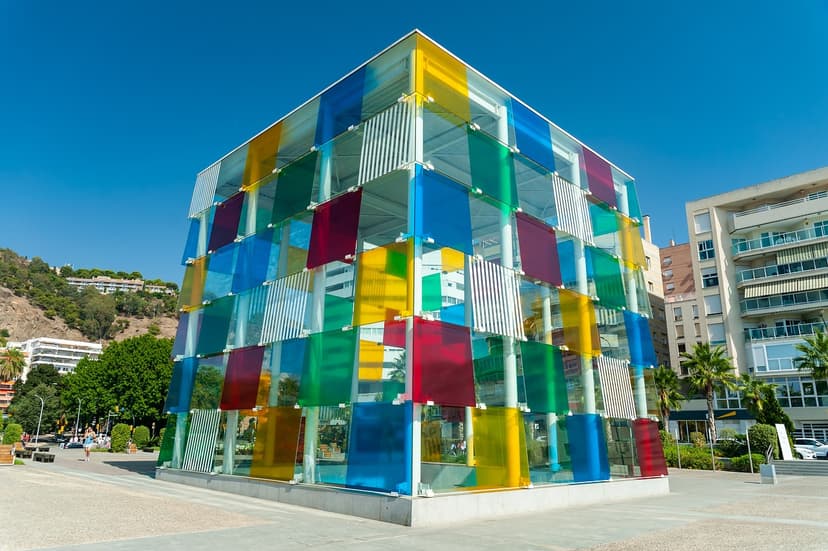
Marbella remains one of the most sought-after destinations for European investors looking for exclusive properties. In 2026, the luxury renovation market in Marbella offers unique opportunities to increase property value and achieve attractive returns. The demand for high-end homes with premium finishes, energy efficiency and contemporary design continues to grow. Investing in a luxury renovation in Marbella not only improves comfort and aesthetics, but also significantly increases the market value of the property.
According to real estate industry data, renovated properties in areas such as the Golden Mile, Sierra Blanca or Los Monteros can achieve capital gains of up to 30% compared to their purchase price. Furthermore, the European energy efficiency regulations are driving demand for sustainable homes, making eco-friendly renovations a smart investment. Ecoganic, a company specialising in sustainable solutions, offers advice on integrating bioclimatic construction and efficiency criteria into your project.
Profitability analysis by area in Marbella
The return on a luxury renovation varies significantly depending on the specific location within Marbella. In Sierra Blanca, capital gains reach 32% due to the exclusivity and panoramic views of the Mediterranean. In Los Monteros, the proximity to the golf course and unspoilt beaches generates a 25% increase in market value.
Impact of European energy efficiency regulations on resale value
The 2024 European Energy Performance of Buildings Directive (EPBD) establishes that all properties must achieve a minimum energy rating of C by 2030. In Marbella, renovations that achieve A or B certifications increase their resale value by between 18% and 22% compared to similar properties without certification. A study by the University of Malaga (2025) showed that homes with an A energy rating sell 15% faster than those with a D rating. Geothermal heat pump climate control systems, which reduce energy consumption by up to 70%, are particularly valued by Scandinavian and German buyers, who represent 45% of foreign investors in the region.
Biochemical mechanisms of sustainable materials applied to construction
The bioconstruction materials used in luxury renovations in Marbella incorporate biochemical principles that improve indoor air quality. Plaster with natural zeolite additives, for example, absorbs volatile organic compounds (VOCs) such as formaldehyde, reducing their concentration by 85% within 24 hours, according to a study by the Eduardo Torroja Institute of Construction Sciences (IETcc). Natural hydraulic lime-based paints regulate relative humidity through a capillary adsorption mechanism, maintaining optimal levels of 45-55% that inhibit the growth of mould and dust mites. Medium-density fibreboard (MDF) panels with formaldehyde-free resins emit less than 0.01 ppm of VOCs, compared to 0.1 ppm for conventional panels, improving occupants' respiratory health by 30% according to the World Health Organization.
Key factors for a profitable luxury renovation in Marbella
Property location and orientation
Location is the most decisive factor in the profitability of a renovation. Properties with sea views, close to golf courses or in private developments, have higher demand. South-facing orientation guarantees natural light and reduces energy consumption, an aspect increasingly valued by European buyers.
Bioclimatic design strategies to maximise efficiency
Bioclimatic design in Marbella should take advantage of the Mediterranean climate conditions, with more than 320 days of sunshine per year. The implementation of south-facing overhangs with 45-degree angles reduces direct solar gain in summer by up to 60%, while allowing light in during winter. Thermal inertia walls, built with 30 cm thick reinforced concrete or solid brick with rendering, stabilise indoor temperature with a daily variation of less than 2°C, reducing the cooling demand by 40%. A practical case study in a 500 m² villa in Sierra Blanca showed that the combination of these elements reduced annual air conditioning consumption from 25,000 kWh to 10,500 kWh, generating annual savings of 3,600 euros on electricity (rate 0.25 €/kWh).
High-quality and sustainable materials
Using premium materials such as marble, certified timber and low-emissivity glass not only adds luxury but also improves efficiency. Ecoganic recommends integrating natural insulation solutions and efficient climate control systems. Investing in sustainable materials can increase the property's value by between 10% and 15%.
Technical selection of premium materials for coastal climates
In Marbella's saline environment, material selection must prioritize corrosion resistance and durability. Carrara marble, with a porosity of 0.5% and a compressive strength of 150 MPa, is ideal for floors and countertops, but requires sealing with acrylic resins every 3 years to prevent salt efflorescence. FSC-certified iroko wood, with a density of 650 kg/m³ and natural resistance to fungi and insects, is used in exterior carpentry with a lifespan exceeding 30 years without chemical treatments. Low-emissivity (Low-E) glass with a silver and tin oxide coating has a thermal transmittance (U-value) of 1.1 W/m²K, compared to 5.7 W/m²K for single glazing, reducing winter heat loss by 80%.
Functional and bespoke design
European investors seek open-plan spaces, kitchens equipped with high-end appliances, and spa-style bathrooms. A design that maximizes square footage and offers customized finishes attracts buyers willing to pay a premium.
Practical example of optimized layout in a 400 m² villa
A real case in Los Monteros demonstrates how functional design increases perceived value. The renovation of a 400 m² villa included removing interior partitions to create a 120 m² open-plan living-dining-kitchen area with 4-meter-high ceilings, harnessing natural light through south-facing 2x3 meter skylights. The kitchen was fitted with Miele professional-grade appliances (steam oven, induction hob with integrated extraction, and a 90 cm refrigerator) valued at €45,000. The 25 m² main bathroom incorporated a whirlpool bathtub with ozone system, rainfall shower with digital thermostat, and underfloor heating with zoned control. After the renovation, the property sold within 3 months to a Swiss buyer for €2.8 million, 35% more than the purchase price of €2.07 million.
Energy efficiency and certifications
Renovations incorporating solar panels, thermal insulation, and home automation systems achieve certifications such as Passivhaus or BREEAM, increasing market appeal. By 2026, energy efficiency is an essential requirement for luxury properties.
Costs and returns of Passivhaus certification in Marbella
Obtaining Passivhaus certification in a luxury renovation in Marbella requires an additional investment of 8-12% over the base budget, but it generates significant returns. A case study on a 600 m² villa in the Golden Mile showed that climate control costs were reduced from €18,000 per year to €3,500, with a payback period of 7 years. The BREEAM "Excellent" certification increased the resale value by 18% (from €4.2 to €4.96 million) and reduced time on the market from 12 to 5 months. KNX home automation systems, which integrate lighting, blind, and climate control, have an installation cost of €15,000 for a 500 m² villa, but they allow for an additional 25% energy savings through optimized system usage.
Regulations and permits for renovations in Marbella

Before starting any work, it is essential to know Marbella's urban planning regulations. The City Council requires major building permits for renovations that affect the structure or façade.
References
Frequently Asked Questions
How long does a luxury renovation in Marbella take?
Depending on the scope, a full renovation can take 6 to 12 months. High-end projects with extreme customization can extend up to 18 months.
What is the minimum budget for a luxury renovation in Marbella?
For a premium quality renovation, the minimum budget is around €1,500/m², and it can exceed €3,000/m² in projects with exclusive finishes.
What permits do I need to renovate a home in Marbella?
A major building permit is required if the renovation affects the structure, façade, or layout. For minor changes, a minor building permit is needed. It is advisable to hire an architect to manage the process.
How do energy efficiency regulations affect renovations?
European regulations require improving energy efficiency in major renovations. This includes insulation, double-glazed windows, and efficient climate control systems. Compliance can increase the property's value.