

Introduction
Transforming your bathroom into a luxury spa is an investment that not only improves your quality of life, but also increases the value of your property. At Costa del Sol Reformas, we understand that every detail matters when creating a space that combines functionality and aesthetics. In this practical guide, we will show you how to carry out this renovation effectively and stylishly. For more information, visit Costa del Sol Reformas .
Renovation Planning
Before starting any renovation project, it is essential to have a well-defined plan. Consider the following aspects:
- Define the budget: Set a realistic budget that includes all aspects of the renovation, from demolition to final finishes. One study indicates that 20–30% of the total budget is allocated to materials, while 40–50% goes to labour.
- Design and layout: Think about how you want the space to flow. The layout should be functional and welcoming, prioritising comfort and a sense of wellbeing. According to interior design experts, a well-planned bathroom can increase the perception of space by 25%.
- Permits and licences: Be sure to consult the Spanish Building Technical Code to understand the applicable regulations. In many areas, specific permits are required for renovations that alter the structure or plumbing and electrical installations.
Tips for effective planning
Involve a professional to help you visualise the project. An architect or interior designer can provide valuable ideas on the layout and style you want. Also consider carrying out a feasibility study that analyses the current condition of the installations and determines whether they are suitable for the renovation you wish to undertake. This study could include assessing the existing structure, identifying potential damp issues, or reviewing the electrical and plumbing systems, ensuring they comply with current regulations.
Setting a work schedule
Creating a detailed schedule will help you manage the renovation timeline. Include all phases of the project, from demolition to the installation of finishes. A well-structured schedule can reduce renovation time by 15–20% and minimise disruption. Use project management tools such as Gantt charts to visualise progress, and be sure to include contingency time for unforeseen issues that may arise during the works.
Material and Finish Selection
Choosing materials is crucial to achieving a spa-style bathroom. Here are some recommendations:
- Microcement: Ideal for floors and walls, it offers a modern, seamless finish that is very easy to clean. This material has 90% moisture resistance, making it perfect for humid environments such as bathrooms. In addition, its application in thin layers allows greater design versatility and faster installation.
- Wall-hung sanitaryware: Adds a sense of lightness and elegance, while also making the space easier to clean. Wall-hung toilets can save up to 30% of space compared to traditional models, which is especially useful in small bathrooms. In addition, installing this type of sanitaryware creates a cleaner, more modern visual effect.
- High-end thermostatic taps: For precise control of temperature and water flow, enhancing the shower experience. These taps can reduce water consumption by 20% thanks to their regulation technology. It is important to choose models with water-efficiency certification, ensuring responsible water use without compromising comfort.
- Integrated lighting: Consider installing dimmable LED lights to create different ambiences depending on the time of day or the occasion. LED lighting uses 75% less energy than incandescent bulbs, resulting in significant savings on your electricity bill. In addition, the ability to adjust light intensity helps create a relaxing atmosphere.
Sustainable Materials
In addition to aesthetics, choose materials that contribute to sustainability, such as aerothermal systems or solar panels, which can be integrated into the bathroom design. Aerothermal energy can reduce household energy consumption by 30–50%, which not only benefits the environment but also lowers long-term costs. For example, installing underfloor heating powered by aerothermal energy not only improves energy efficiency, but also provides superior thermal comfort. In addition, using dual-flush toilets and low-flow taps can contribute to additional water savings—up to 60% in some cases—which also translates into a reduced household water footprint.
Examples of luxurious finishes
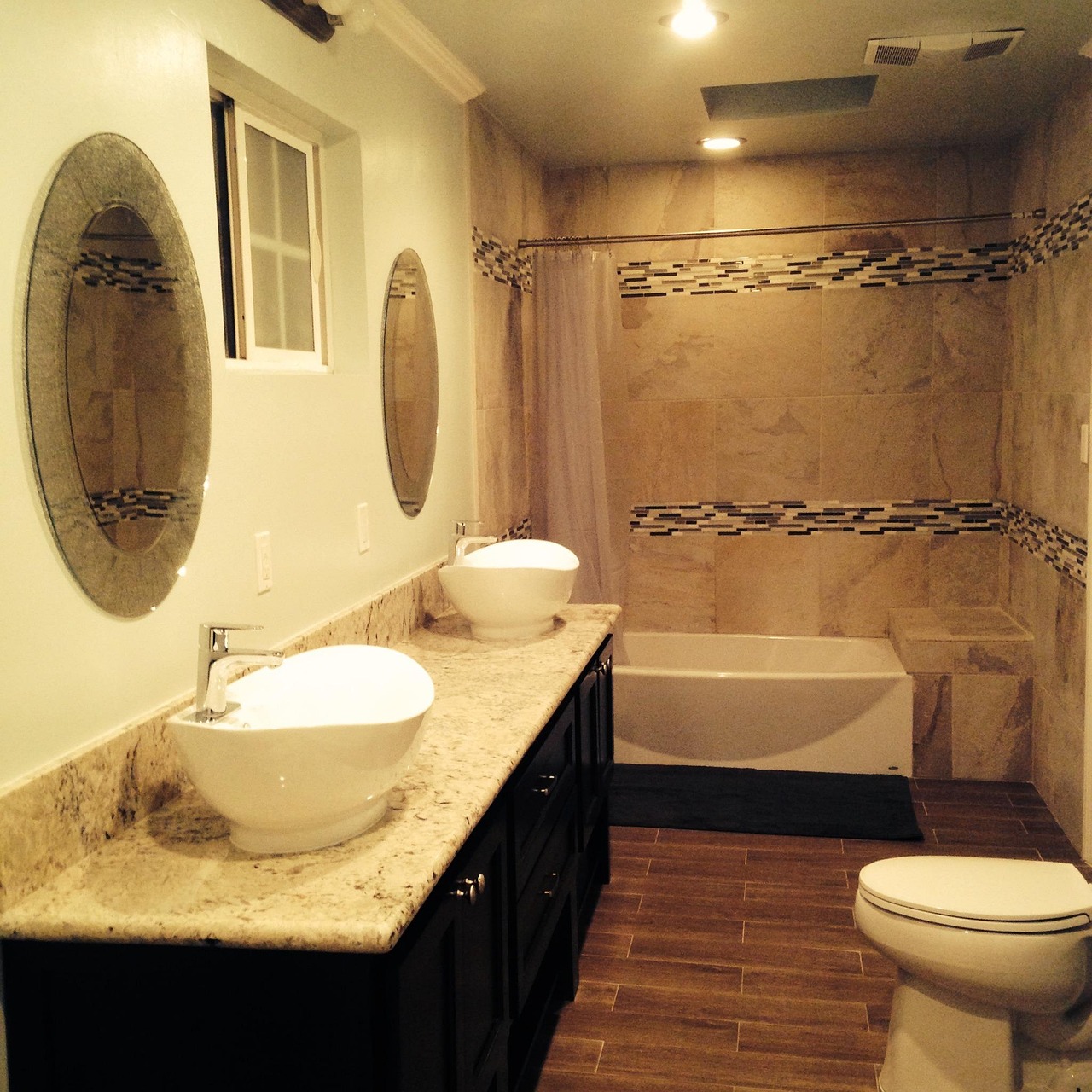
Consider incorporating marble or natural stone finishes, which not only offer a luxurious look but are also extremely durable. Marble, for example, has a compressive strength of approximately 130 MPa, making it ideal for use in high-end bathrooms. In addition, installing mirrors with anti-fog technology can improve the functionality of the space, providing a more comfortable and luxurious experience. For an even more exclusive touch, high-quality glass or ceramic mosaics can be used to create bespoke, unique patterns. Adding decorative elements such as natural plants can also enhance the spa atmosphere, as indoor greenery has been shown to improve psychological wellbeing and reduce stress. If you would like more information on how to optimize a premium kitchen or about luxury finishes, please do not hesitate to consult our additional resources.
Installation and final finishes
Once the materials have been selected, it is time to begin installation. Make sure you have a team of professionals who can guarantee the quality of the finishes. Remember:
- Continuous supervision: Maintain ongoing monitoring of the process to ensure everything adheres to the plan. A report by the Builders Association indicates that constant supervision can increase client satisfaction by 40%. This includes reviewing each stage of the work, from plumbing installation to final finishes, to ensure that standards are met