
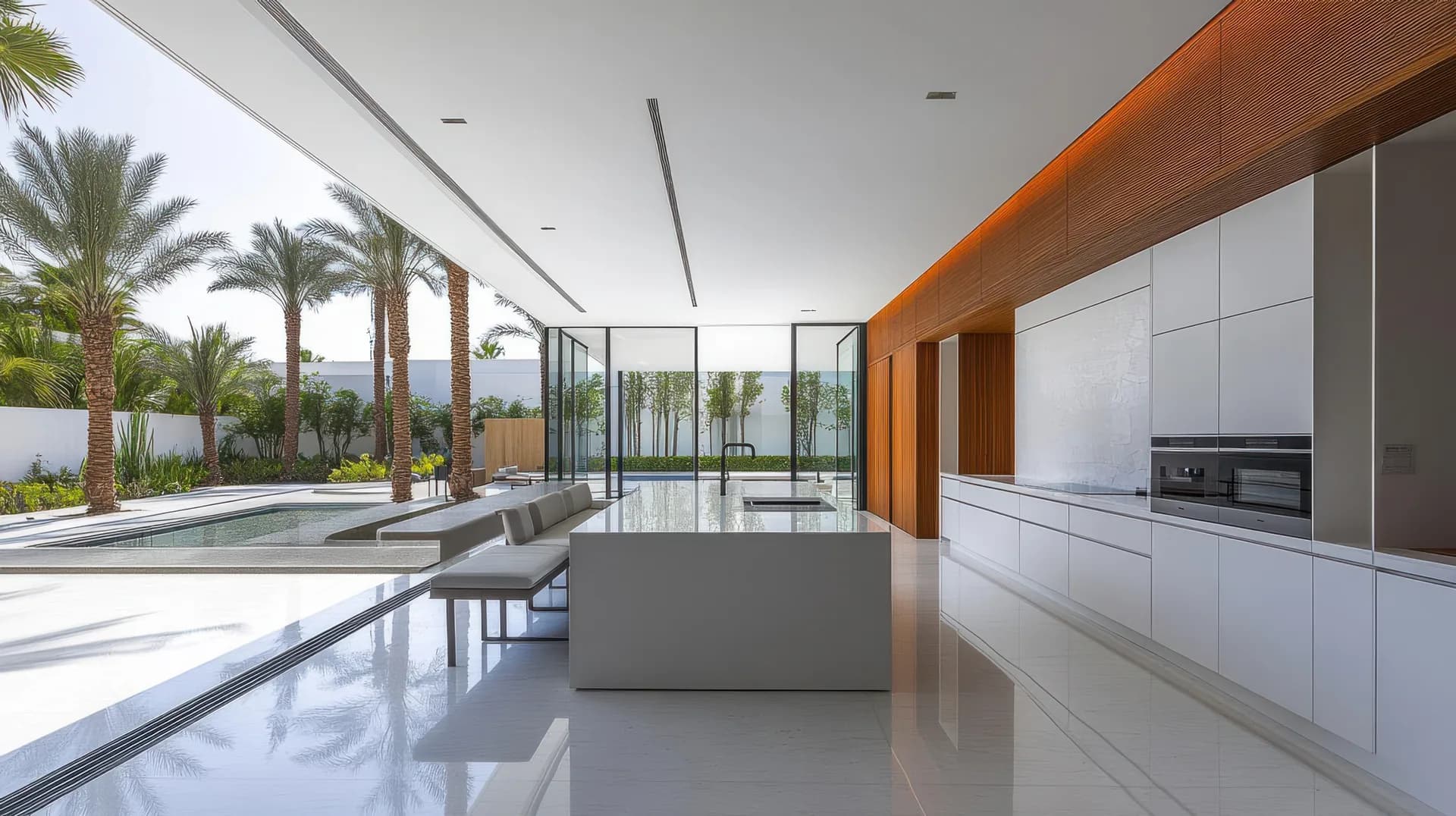
Home Renovations in Málaga: Phased or Full? 2026 Comparison
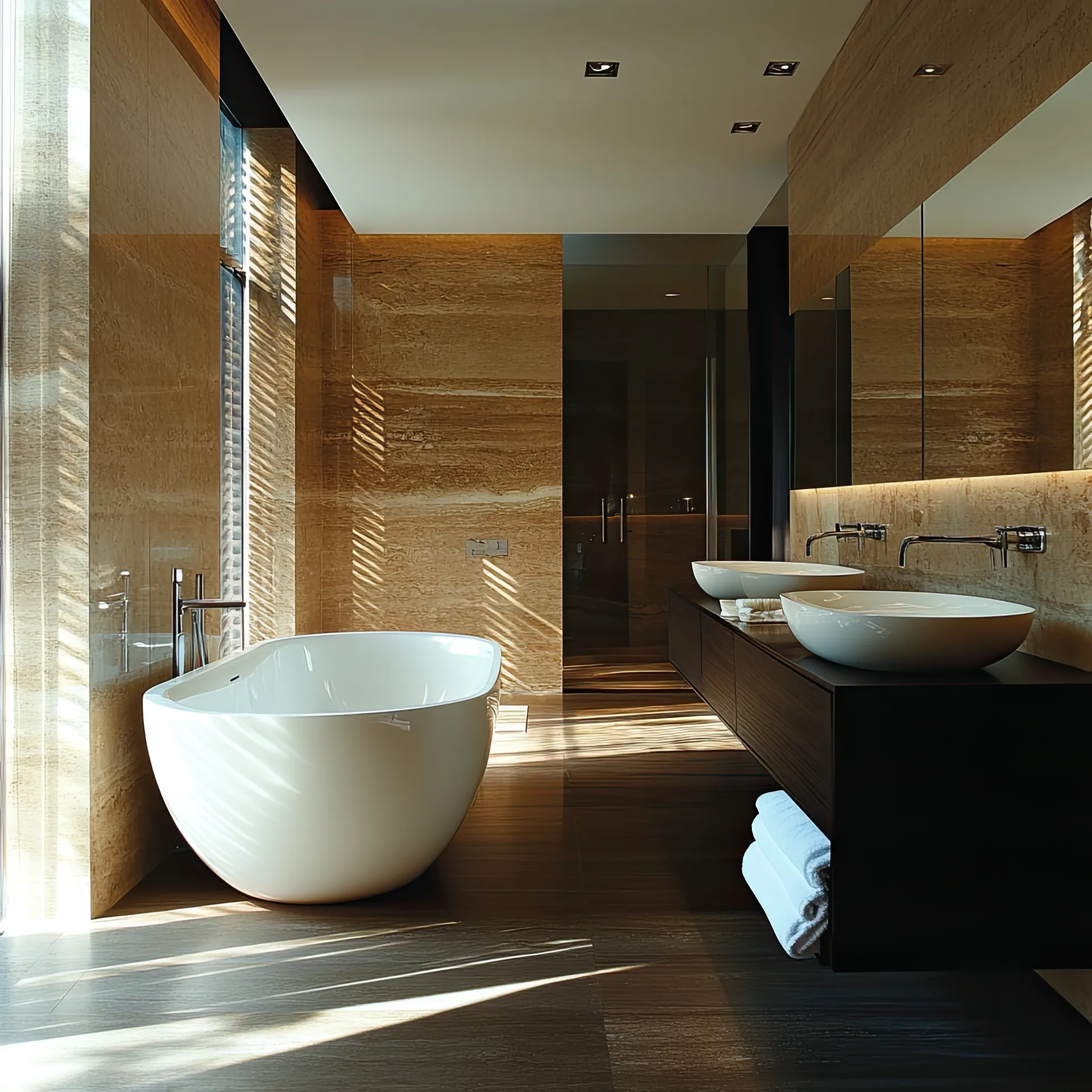
If you are considering home renovations in Málaga, one of the first decisions you will need to make is whether to carry out the work in phases or as a full renovation. This choice affects the budget, the execution time, and the comfort during the process. In this article, we offer you a detailed comparison so you can decide with sound judgement.
What is a phased renovation?
A phased renovation involves dividing the project into stages that are executed sequentially, allowing the home to remain habitable during the works. It is a common option when the budget is limited or when you prefer to minimise the daily impact. For example, you can renovate the kitchen first, then the bathroom, and finally the living room.
This approach is especially useful if you live in the home during the renovation, as each phase is planned to interfere as little as possible with your routine. Furthermore, it allows you to spread the cost over time, which makes financial management easier.
Technical planning of a phased renovation
For a phased renovation to be efficient, it is essential to draw up a master plan that defines the logical order of intervention. This plan must take into account the installations that run throughout the home, such as the electrical system or plumbing. If the kitchen is renovated first and the decision is later made to change the main electrical panel, it will be necessary to break into part of the newly finished work to access the conduits. A good technical planner establishes a sequence that prioritises hidden infrastructure: first, the main service connections are renewed, then the branch lines to each room, and finally the surface finishes.
Another technical aspect to consider is the containment of dust and debris. Each phase must be accompanied by a confinement system using plasterboard partitions or polyethylene sheeting, along with an industrial vacuum unit with HEPA filters. This prevents dust generated in one area from settling in already renovated rooms, protecting the finishes and the health of the occupants. Additionally, it is advisable to install a main shut-off valve and a temporary electrical panel that allows only the area under construction to be disconnected, while maintaining the supply to the rest of the home.
Management of supplies and logistics in phases
The logistics of materials in a phased renovation require meticulous planning. To avoid saturating the space, a just-in-time delivery schedule must be established. For example, bathroom sanitary ware and taps should be ordered with a delivery time of 3 to 4 weeks, while high-end tiles may require 6 weeks if imported. A common mistake is purchasing all materials at the outset, which leads to storage problems and the risk of deterioration. Instead, it is recommended to coordinate deliveries with the start of each phase, freeing up space and reducing the risk of theft or damage.
Regarding the protection of already renovated areas, it is mandatory to install corrugated cardboard protectors on flooring and self-adhesive protective film on joinery. Common transit corridors must always be kept clear and equipped with emergency lighting. Furthermore, the location of rubble disposal points must be clearly signposted, ideally using a construction skip on the public highway or a rubble chute system. In buildings with a homeowners' association, it is essential to obtain the relevant permits and respect working hours to minimise inconvenience to neighbours.
What is a full renovation?

A full renovation, also known as turnkey, involves the complete refurbishment of the home: electrical and plumbing installations, spatial layout, floors, ceilings, joinery and finishes. It is the recommended option when seeking a deep update or a change in layout.
By concentrating all the work in a single project, the total construction time is reduced and duplication in demolition and finishing works is avoided. Moreover, it usually proves more economical in the long run when comparing unit costs, as the trades work in a coordinated manner.
Internal phases of a full renovation
A full renovation is internally structured into several critical sub-phases. The first is demolition and dismantling, which includes the removal of partition walls, floorings, tiling, joinery and suspended ceilings. At this stage, selective waste management must be carried out, separating inert rubble, wood, metals and plastics. Transport to an authorised recycling plant is mandatory, and the waste management certificate must be requested from the authorised waste handler.
The second sub-phase is the renovation of installations. The layout of the new electrical circuits is carried out, using 6 mm² copper wiring for power lines and 2.5 mm² for power outlets. The conduits are made with halogen-free PVC corrugated tubing. In plumbing, lead or galvanised pipes are replaced with cross-linked polypropylene (PEX) or multilayer pipes, with a minimum diameter of 20 mm for branch lines. The test pressure must be 1.5 times the working pressure, maintained for 24 hours to detect leaks.
The third sub-phase is partition walls and dry lining. Plasterboard systems are used with 46 mm and 70 mm galvanised steel framing. To improve acoustic insulation, high-density rock wool (60-70 kg/m³) is installed inside the cavities. The joints are treated with microperforated paper tape and joint compound, sanding until a perfectly flat surface is achieved. Finally, a coat of sealing primer is applied before the final finish.
Quality control and certifications in full renovation
In a full renovation, quality control is exhaustive. Watertightness tests must be carried out on all water installations, as well as insulation resistance measurements on the electrical circuit (minimum 500 kΩ). For the air conditioning system, proper condensate drainage and refrigerant circuit pressure are verified. Additionally, it is advisable to carry out an infrared thermography survey upon completion of the works to detect thermal bridges or air infiltrations that could compromise energy efficiency.
The energy certification is another key aspect. A full renovation that includes thermal insulation on facades (ETICS) or roofs, double-glazed windows with thermal break frames, and a condensing boiler or heat pump, can improve the home's energy rating by two or three letters. This not only reduces the energy bill by between 30% and 50%, but also increases the market value of the property. In Málaga, where the climate is warm, it is essential to prioritise insulation on the roof and west-facing facades to reduce the cooling load.
Related articles
Need professional help?
Contact Costa del Sol Reformas in Marbella, Costa del Sol, Málaga. Call us: 612 286 273.
Price and timeline comparison in 2026
According to data compiled for 2026, the prices for a full renovation in Málaga range between €470/m² and €950/m² for standard quality, while for high-end quality they can reach €1,300/m². For an 80 m² flat, this means an approximate budget of €37,600 to €104,000, depending on materials and scope.
As for timelines, a full renovation of an average home usually takes between 9 and 16 weeks. If carried out in phases, the total time may be longer, but each individual phase is completed in less time.
Cost breakdown by work items in 2026
To better understand the comparison, it is useful to break down costs by work items. In a medium-quality full renovation, the demolition item accounts for between 8% and 12% of the total budget. Masonry work (partition walls, plastering, flooring) represents between 25% and 30%. Installations (electrical, plumbing, HVAC) account for between 20% and 25%. Carpentry (doors, windows, wardrobes) ranges between 15% and 20%. Finally, finishes (painting, tiling, false ceilings) represent between 15% and 20%.
In a phased renovation, unit costs tend to be between 10% and 15% higher. This is due to the lack of economies of scale, the need to mobilise and demobilise trades on several occasions, and potential duplication in protection and cleaning work. For example, if a
References
Frequently Asked Questions
How much does a bathroom renovation cost in Marbella?
The average cost of a bathroom renovation in Marbella in 2026 ranges between €4,500 and €9,000, depending on materials and labour. A standard 4 m² bathroom can cost around €6,000 with medium quality finishes. Timelines are usually 2 to 4 weeks. If you need more details, check our page on bathroom renovations in Marbella.
How long does a full renovation take in Marbella?
For an 80 m² home, a full renovation usually takes between 9 and 16 weeks, provided there are no unforeseen issues. If structural changes or complex installations are included, the timeline may be extended. It is important to have a well-defined project and an experienced company to meet the deadlines.
Can I live in my home during a phased renovation?
Yes, that is one of the main advantages of a phased renovation. By dividing the work into stages, you can continue living in the home, although it is advisable to plan the phases to minimise disruption, for example, by starting with the kitchen or bathroom.
What permits do I need for a renovation in Málaga?
For minor works, such as tiling or painting, a permit is usually not required, but for renovations that affect the structure or installations, it is essential to apply for a building licence from the City Council. In 2026, the Málaga City Council has opened the call for building rehabilitation with an application period from 24 March to 22 May. We recommend checking the current regulations before starting.
How do I manage a renovation remotely from abroad?
At Costa del Sol Reformas we offer a specialised service for expats. You can delegate the project management, receive weekly reports with photos and videos, and approve decisions through our online platform. Our experience with international clients guarantees smooth communication and hassle-free execution.
What is the difference between a full renovation and remodelling?
Remodelling usually refers to aesthetic or partial changes, while a full renovation involves a complete renewal of the installations and layout. In practice, a full renovation is more in-depth and usually requires more time and budget.
How much does a full renovation of an 80 m² flat in Málaga cost?
According to 2026 data, the cost can vary between €37,600 and €104,000, depending on the quality of the materials and the scope. An average budget for standard qualities would be around €50,000. For a more accurate estimate, we recommend using our budget calculator.