

Introducción a las reformas premium en Marbella
Marbella es sinónimo de lujo, exclusividad y calidad de vida. Realizar una reforma premium en Marbella no solo implica renovar un espacio, sino crear un ambiente que refleje el estilo de vida más exigente. Desde villas frente al mar hasta áticos en la milla de oro, cada proyecto requiere un enfoque personalizado que combine diseño vanguardista, materiales nobles y una ejecución impecable. En este artículo, exploramos los aspectos clave que debes considerar para llevar a cabo una reforma de alto nivel en Marbella: diseño, permisos y plazos. Conocer estos elementos te ayudará a planificar tu proyecto con éxito y a evitar contratiempos.
Las reformas premium en Marbella se caracterizan por la atención al detalle, el uso de materiales de primera calidad y la integración de tecnología domótica. Además, es fundamental contar con un equipo de profesionales que conozca las normativas locales y los plazos de ejecución. Si estás pensando en reformar tu propiedad, esta guía te proporcionará información valiosa para tomar decisiones informadas.
Diseño de interiores en reformas premium
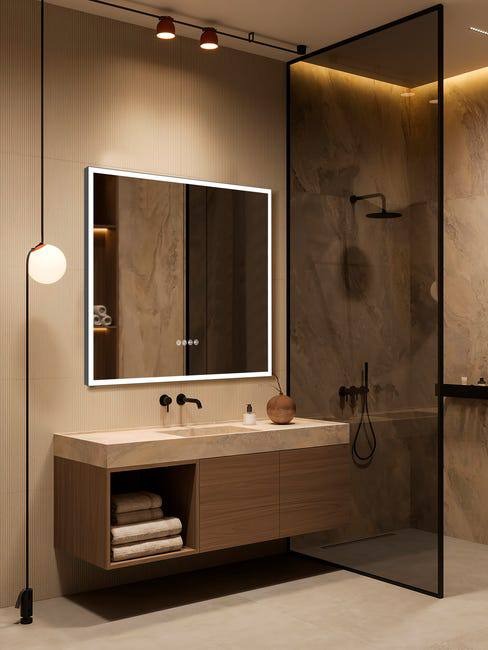
El diseño es el alma de cualquier reforma premium. En Marbella, las tendencias actuales apuntan hacia espacios abiertos, luminosos y conectados con el exterior. Los arquitectos e interioristas trabajan con materiales como mármol, madera natural, acero y vidrio para crear ambientes elegantes y atemporales. La personalización es clave: desde cocinas equipadas con electrodomésticos de alta gama hasta baños con jacuzzi y sauna, cada detalle se adapta a los gustos del cliente.
Además, la eficiencia energética y la sostenibilidad son cada vez más importantes. Las reformas premium incorporan sistemas de climatización eficientes, paneles solares y aislamiento térmico de última generación. También se integra la domótica para controlar iluminación, persianas y seguridad desde dispositivos móviles. Un diseño bien planificado no solo mejora la estética, sino que también incrementa el valor de la propiedad.
Selección de materiales y acabados
Los materiales definen el carácter de una reforma premium. En Marbella, se prefieren piedras naturales como el travertino o el granito, maderas exóticas y metales como el latón o el acero inoxidable. Los acabados deben ser impecables, con juntas perfectas y superficies lisas. La iluminación juega un papel fundamental: se utilizan lámparas de diseño, tiras LED empotradas y sistemas de regulación de intensidad para crear ambientes acogedores.
En proyectos premium, la selección de materiales implica un análisis técnico detallado. Por ejemplo, el mármol Carrara, con una densidad de 2.69 g/cm³ y una absorción de agua inferior al 0.5%, es ideal para encimeras de cocina por su resistencia a las manchas. La madera de teca africana, con una dureza Janka de 1,155 lbf, se utiliza en terrazas exteriores por su durabilidad frente a la humedad salina del Mediterráneo. Para baños, el porcelánico de 12 mm de espesor con resistencia al deslizamiento R11 ofrece seguridad y estética. Los acabados en latón cepillado, con un 85% de cobre y 15% de zinc, requieren un sellado con laca acrílica para evitar la oxidación en ambientes costeros. Un estudio de 2023 del Instituto de Tecnología de la Construcción (ITeC) indica que el uso de estos materiales puede aumentar el valor de reventa de una propiedad en Marbella entre un 12% y un 18%.
Ejemplo práctico: En una villa de 300 m² en la Milla de Oro, se seleccionó mármol Crema Marfil para suelos radiantes, con un espesor de 2 cm y juntas de 1 mm rellenas con resina epoxi. Las paredes de baño principal se revistieron con mosaico de vidrio soplado veneciano, con un coeficiente de reflexión del 92% para maximizar la luz natural. La iluminación LED empotrada con temperatura de color 3000K y un CRI de 95 garantizó una reproducción cromática fiel. Este enfoque redujo el consumo energético en iluminación en un 40% respecto a sistemas halógenos.
Integración de espacios exteriores
En Marbella, el clima permite disfrutar de terrazas, jardines y piscinas durante gran parte del año. Una reforma premium debe integrar los espacios interiores con los exteriores mediante grandes ventanales, porches cubiertos y zonas de estar al aire libre. Las piscinas de borde infinito, las cocinas de verano y los jardines verticales son elementos muy demandados. La vegetación autóctona y los sistemas de riego automatizados contribuyen a mantener el exterior en perfecto estado.
La integración técnica de interiores y exteriores requiere un análisis bioclimático. Los ventanales de aluminio con rotura de puente térmico (RPT) y doble acristalamiento bajo emisivo (Low-E) con argón al 90% ofrecen un valor U de 1.1 W/m²K, reduciendo pérdidas térmicas en un 35%. Para piscinas de borde infinito, el sistema de rebosadero debe calcularse con un caudal de 0.5 m³/h por metro lineal de borde, utilizando bombas de velocidad variable que ahorran hasta un 60% de energía. Las cocinas de verano se equipan con barbacoas de gas natural con potencia de 12 kW y encimeras de acero inoxidable AISI 304, resistente a la corrosión salina. Los jardines verticales modulares, con sustrato de fibra de coco y sistema de riego por goteo con sensores de humedad, reducen el consumo de agua en un 50% respecto a métodos tradicionales.
Ejemplo práctico: En un ático de 150 m² en Puerto Banús, se instaló un sistema de puertas correderas de 6 metros de ancho con perfiles de aluminio anodizado y vidrio laminado de 10+10 mm con capa de control solar. La terraza se pavimentó con gres porcelánico de 60x60 cm con resistencia a la helada (R10) y se integró una piscina de hidromasaje con 8 jets hidroterapéuticos y temperatura regulable entre 28°C y 40°C. Un toldo bioclimático de lamas de aluminio orientables permitió controlar la radiación solar, reduciendo la temperatura interior en verano hasta 5°C.
Permisos y licencias para reformas en Marbella
Antes de iniciar cualquier obra, es imprescindible obtener los permisos correspondientes. En Marbella, el Ayuntamiento regula las reformas a través de licencias de obra mayor o menor, dependiendo de la envergadura del proyecto. Las reformas premium suelen requerir licencia de obra mayor, que implica la presentación de un proyecto técnico firmado por un arquitecto colegiado. Los plazos de aprobación pueden variar entre 1 y 3 meses, por lo que es recomendable iniciar los trámites con antelación.
Además, si la propiedad está ubicada en una zona protegida o cerca de la costa, pueden ser necesarios informes adicionales de la Junta de Andalucía o de Costas. Es fundamental contar con un gestor o arquitecto que conozca la normativa local para evitar sanciones o paralizaciones de la obra.
Tipos de licencias según el alcance de la reforma
Las licencias se clasifican en obra menor (para cambios estéticos sin afectar estructura) y obra mayor (cuando se modifican elementos estructurales, fachadas o distribución). En reformas premium, lo habitual es que se requiera obra mayor. También existe la licencia de primera ocupación para viviendas reformadas. El incumplimiento de la normativa puede acarrear multas elevadas y la obligación de restaurar el estado original.
La licencia de obra mayor se rige por el Plan General de Ordenación Urbana (PGOU) de Marbella, aprobado en 2010 y actualizado en 2023. Para proyectos que afecten a más del 50% de la superficie construida, se exige un estudio de impacto urbanístico. En zonas como la Milla de Oro o la Costa de la Luz, el PGOU limita la altura máxima a 7 metros y el coeficiente de ocupación al 30% de la parcela. Las reformas que impliquen cambio de uso (por ejemplo, de vivienda a hotel) requieren una licencia especial con informe de la Consejería de Turismo. Según datos del Ayuntamiento de Marbella, en 2023 se tramitaron 1,245 licencias de obra mayor, con un tiempo medio de resolución de 78 días. Las multas por obras sin licencia oscilan entre 3,000 y 300,000 euros, dependiendo del daño urbanístico.
Ejemplo práctico: Para una reforma de villa de 400 m² en la zona de Las Lomas del Marbella Club, se solicitó licencia de obra mayor para modificar la estructura del tejado y añadir un sótano. El proyecto incluyó un informe geotécnico con ensayos de penetración estándar (SPT) que mostraron una capacidad portante del terreno de 2.5 kg/cm². La licencia se obtuvo en 90 días tras presentar planos de cimentación, memoria de cálculo estructural y certificado de eficiencia energética clase A.
Documentación necesaria y plazos
La documentación típica incluye: proyecto básico y de ejecución, memoria de calidades, planos, certificado de eficiencia energética, y seguro de responsabilidad civil. El Ayuntamiento de Marbella dispone de una ventanilla única para agilizar los trámites. Los plazos de concesión pueden alargarse si el proyecto requiere subsanaciones. Por ello, es recomendable contratar a profesionales con experiencia en reformas premium en Marbella que gestionen todo el proceso.
El proyecto básico debe incluir memoria descriptiva, planos de situación, alzados y secciones a escala 1:100. El proyecto de
Referencias
- Instituto Nacional de Estadística
Preguntas Frecuentes
¿Cuánto cuesta una reforma premium en Marbella?
El coste varía según el tamaño, los materiales y la complejidad. Como referencia, una reforma integral de alta gama puede oscilar entre 1.500 y 3.000 €/m². Es recomendable solicitar presupuestos personalizados.
¿Necesito licencia para reformar un baño o cocina?
Si la reforma no afecta a la estructura ni a las instalaciones comunes, puede considerarse obra menor. No obstante, siempre es aconsejable consultar con el Ayuntamiento de Marbella para evitar sanciones.
¿Cuánto tiempo se tarda en obtener una licencia de obra mayor?
El plazo medio es de 2 a 3 meses, aunque puede alargarse si el proyecto requiere modificaciones. Es recomendable iniciar los trámites con suficiente antelación.
¿Qué garantías ofrecen las empresas de reformas premium?
Las empresas serias ofrecen garantía de obra (generalmente 1 año) y garantía de los materiales (según fabricante). Es importante que el contrato recoja estas condiciones.